Week 7: What is a proof of concept project?
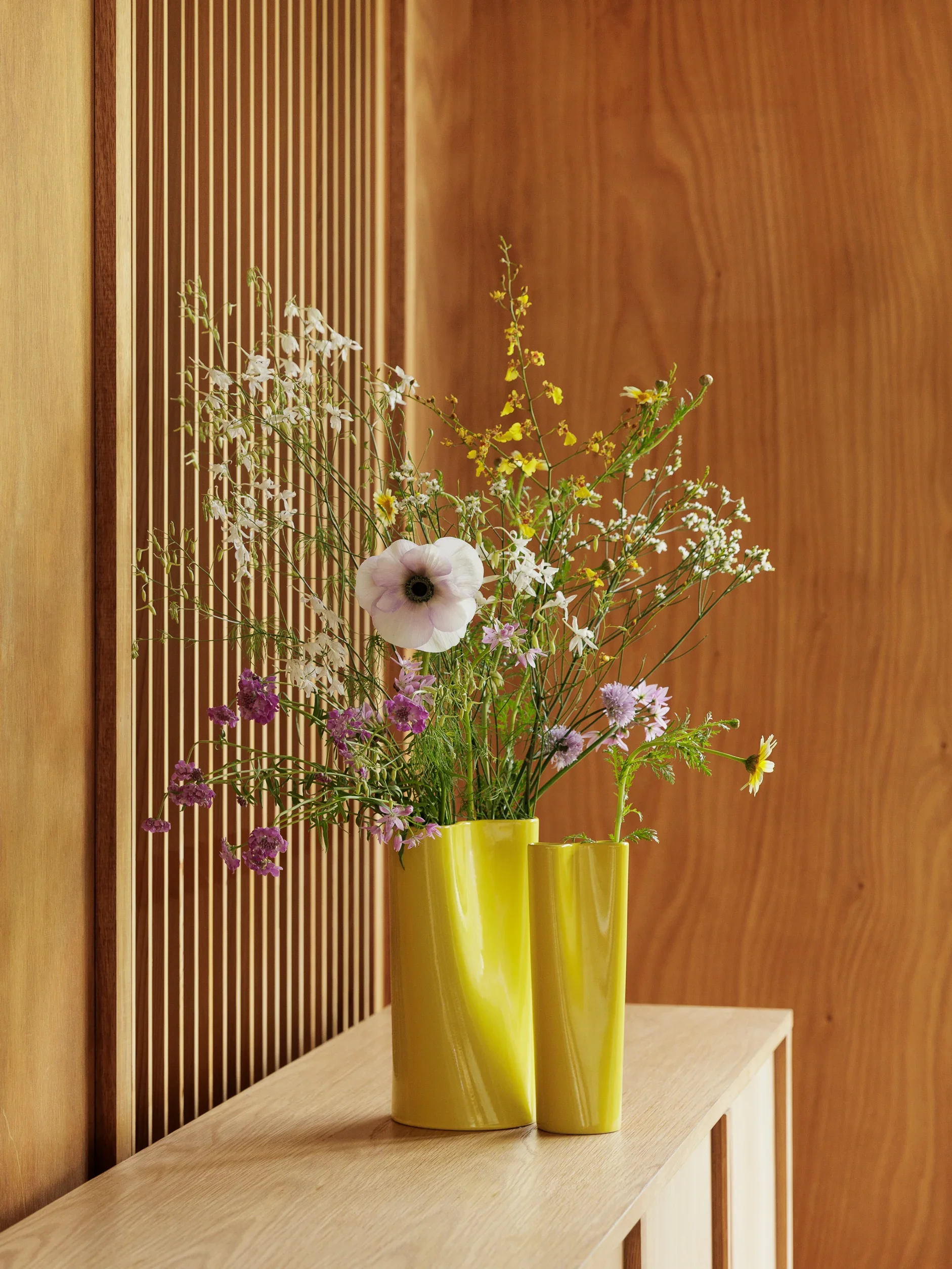
Figure 1. Citta’s Pinch vase [Photograph]. Note. From Citta. Citta, n.d. (https://citta.com/products/pinch-vase-2?_pos=9&_sid=ff3d800b8&_ss=r)
Current research question:
How can a material story be told of underutilised/wasted local New Zealand materials through homeware design, to provide comfort and familiarity to a space?
Proof of concept brief
An outline of my plan for the next 6 weeks are detailed in the document. Important points are summarised below.
Project description
In the next 6 weeks, I would like to gather and experiment with different New Zealand materials. I aim to refine my scope by defining ‘New Zealand materials’ and the material I will continue to design with in my thesis year, through an iterative making process. I envision the exploration to look similar to the knitted lamp I made in Design Practice 1, where I experimented with the properties of strong wool,
Timeline
and in combination with a new skill of domestic machine knitting, to give form and a purpose to the fabric. In Design Practice 2, I would like to take this further by gathering different materials and pushing my design development further.
I will gather multiple material samples and go through a process of rapid ideation and analogue prototyping to develop a form that complements the material. I aim to create a series of 3-4 mini projects, made with different materials. I hope something in the exploratory process will reveal their potential for products in the home environment.
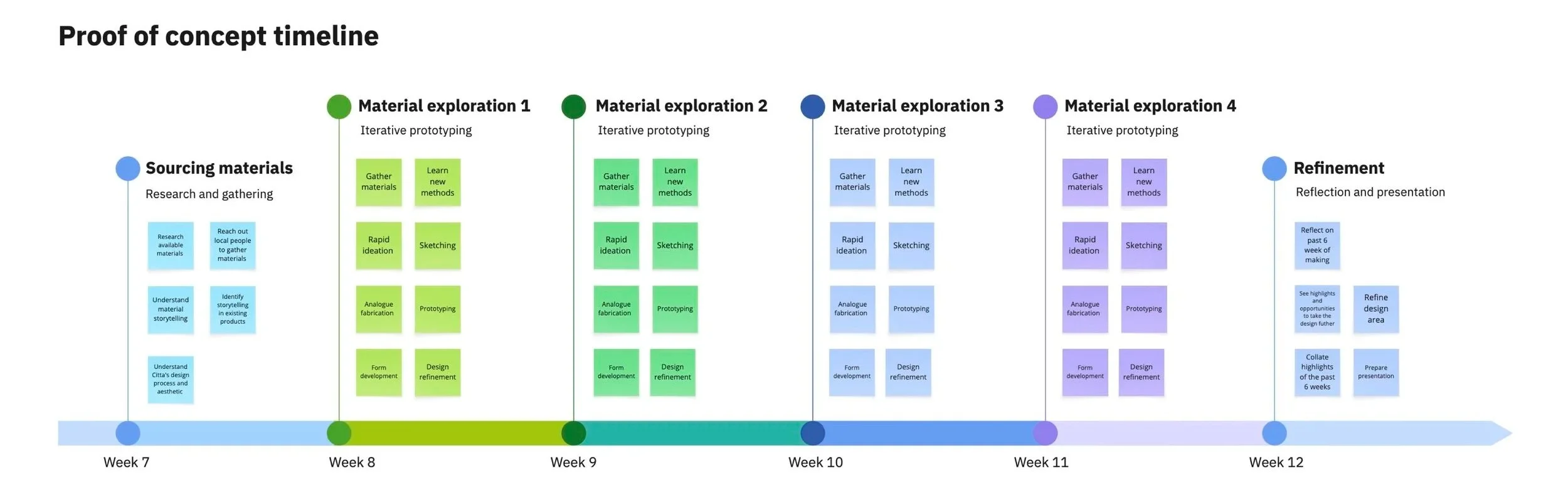
Figure 2. Proof of concept timeline [Diagram]. Note. Made by author on Miro.
Sourcing materials
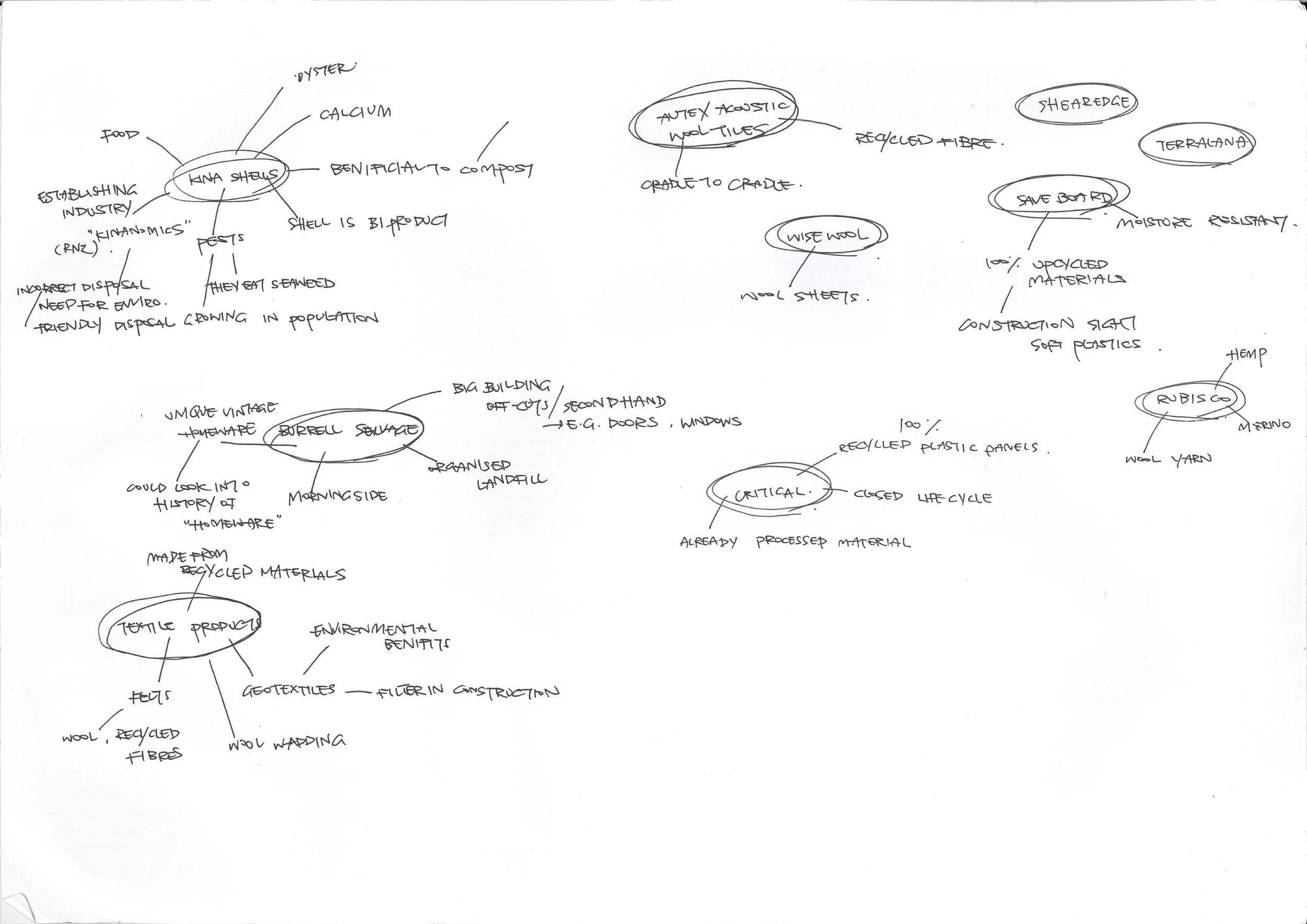
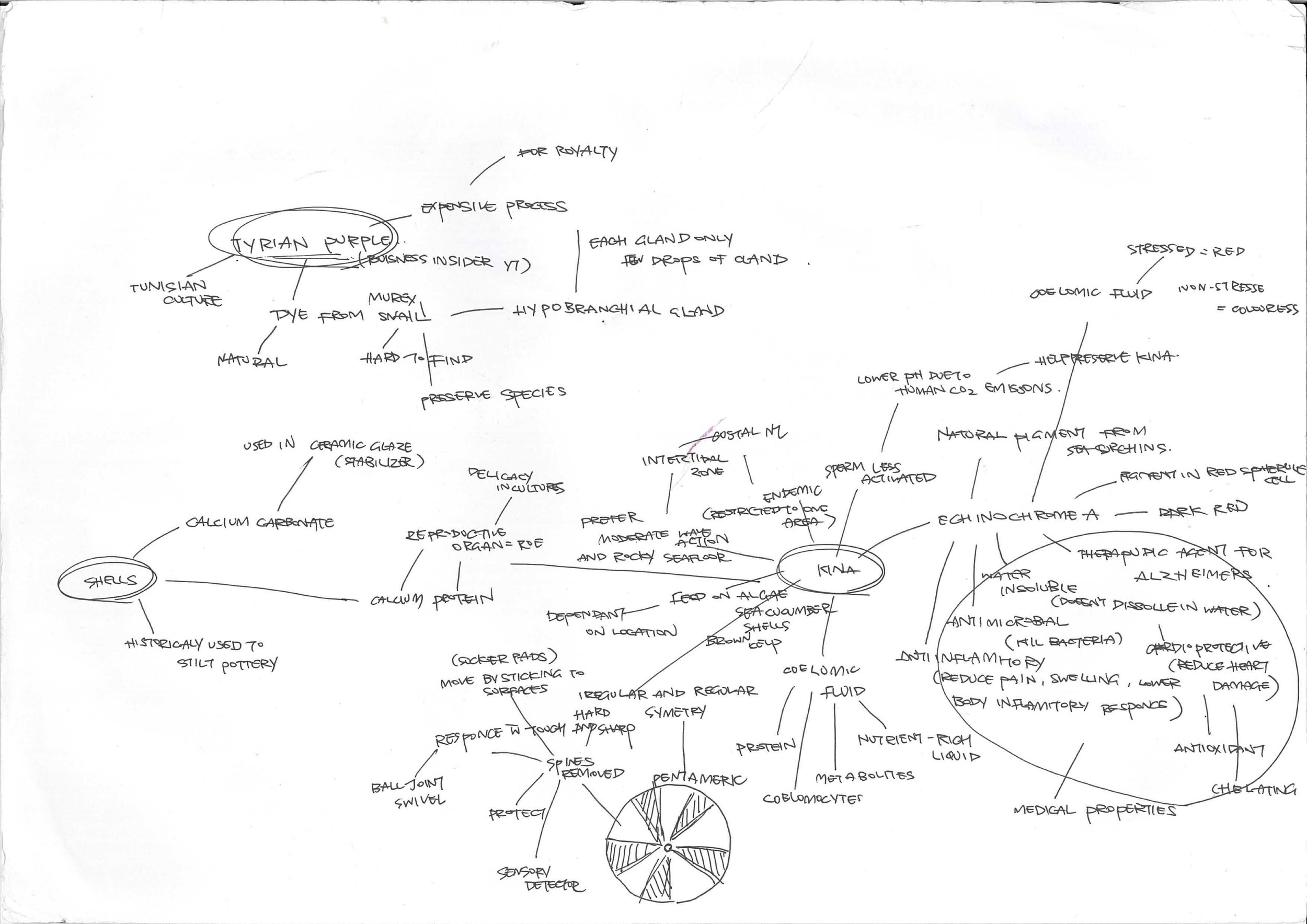
Firstly, I needed to understand and source the materials available to me locally. Nikolai (Citta) had recommended a list of local companies that use similar materiality concepts to mine to get me started. Through a combination of looking into these companies and expanding with my own research, I was reminded of the very first conversation I had with Nikolai and Steve when setting up this collaboration. Briefly mentioned was Kina (New Zealand sea urchin), potentially crushing up the shell to develop into a product. The shells of Kina are a byproduct of the roe and are currently underutilised. The further I researched these sea urchins, the more curious I became, seeing more and more potential in product design.
Working with Kina would be a relevant and exciting context. Currently, my only worry is sourcing them, as I am not a diver myself. But as I see an opportunity to research this material further, I believe there is value in using these 6 weeks to prioritise sourcing kina and conducting early experiments to see if this is a material I would like to continue working with in my thesis year.
Figure 3,4. Brainstorm and research of materials local to me [Brainstorm]. Note. Made by author.
Meeting with Citta
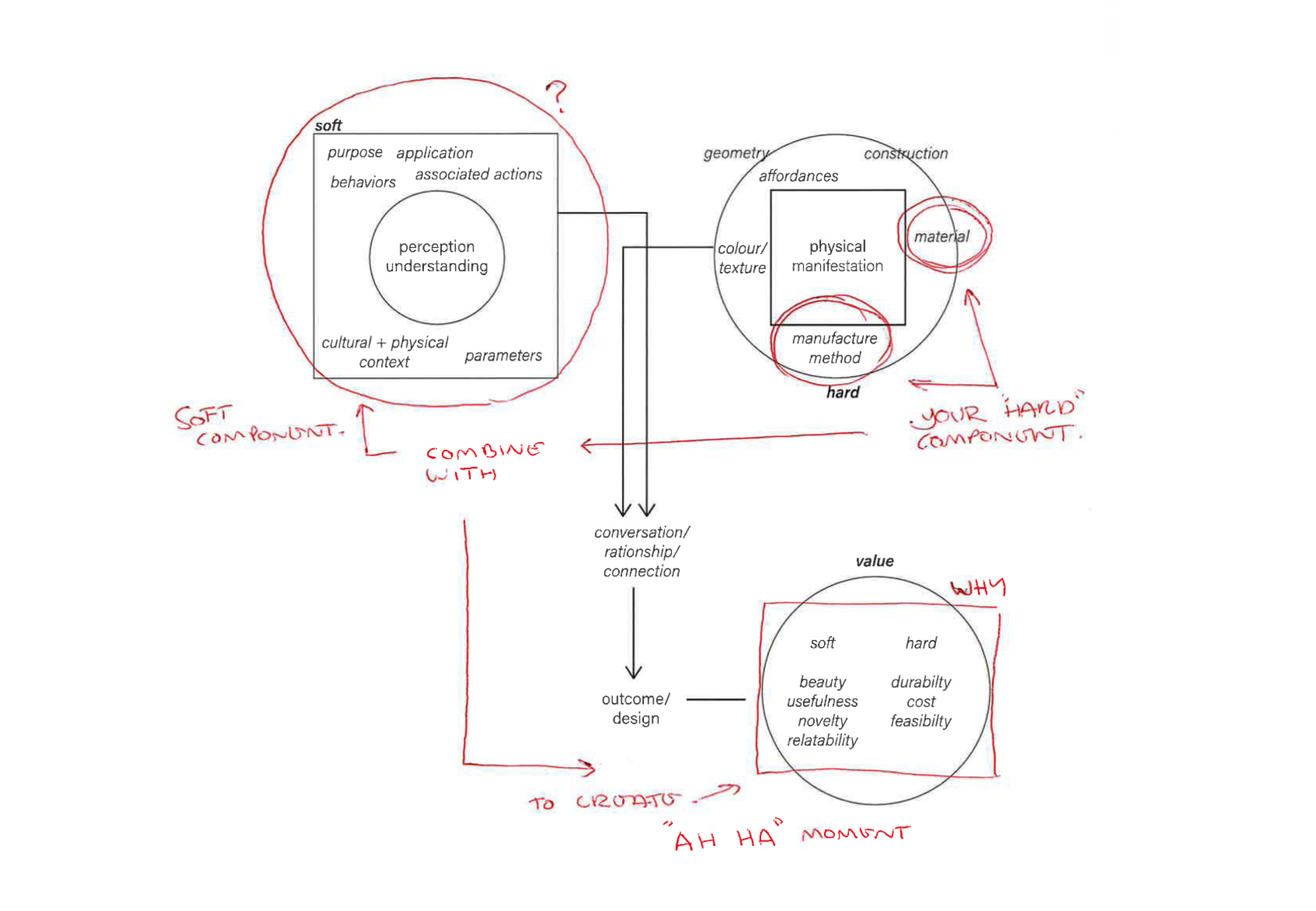
Figure 5. Diagram explaining material storytelling [Diagram]. Note. Made by H. Nixon, 2026.
This week's meeting was very beneficial to my project's direction. I expressed that I was feeling lost, confused about the 'why' behind this project, and unsure how I could benefit Citta's knowledge. I was able to discuss and define my design position together and clarify our goals for the collaboration. By the end of the meeting, I was feeling much better and understood my next steps: to find a special material I was interested in exploring.
Haydn also explained how Citta approaches material storytelling, which opened my eyes and changed how I see the details in designs.
Reference list
Citta. (n.d.). Pinch Vase [Photograph]. Retrieved May 12, 2026, from https://citta.com/products/pinch-vase-2?_pos=9&_sid=ff3d800b8&_ss=r
Nixon, H. (n.d.). Diagram by Haydn to visualise ‘material storytelling’ [Diagram].