Week 12: Proof-of-concept presentation
Current research question:
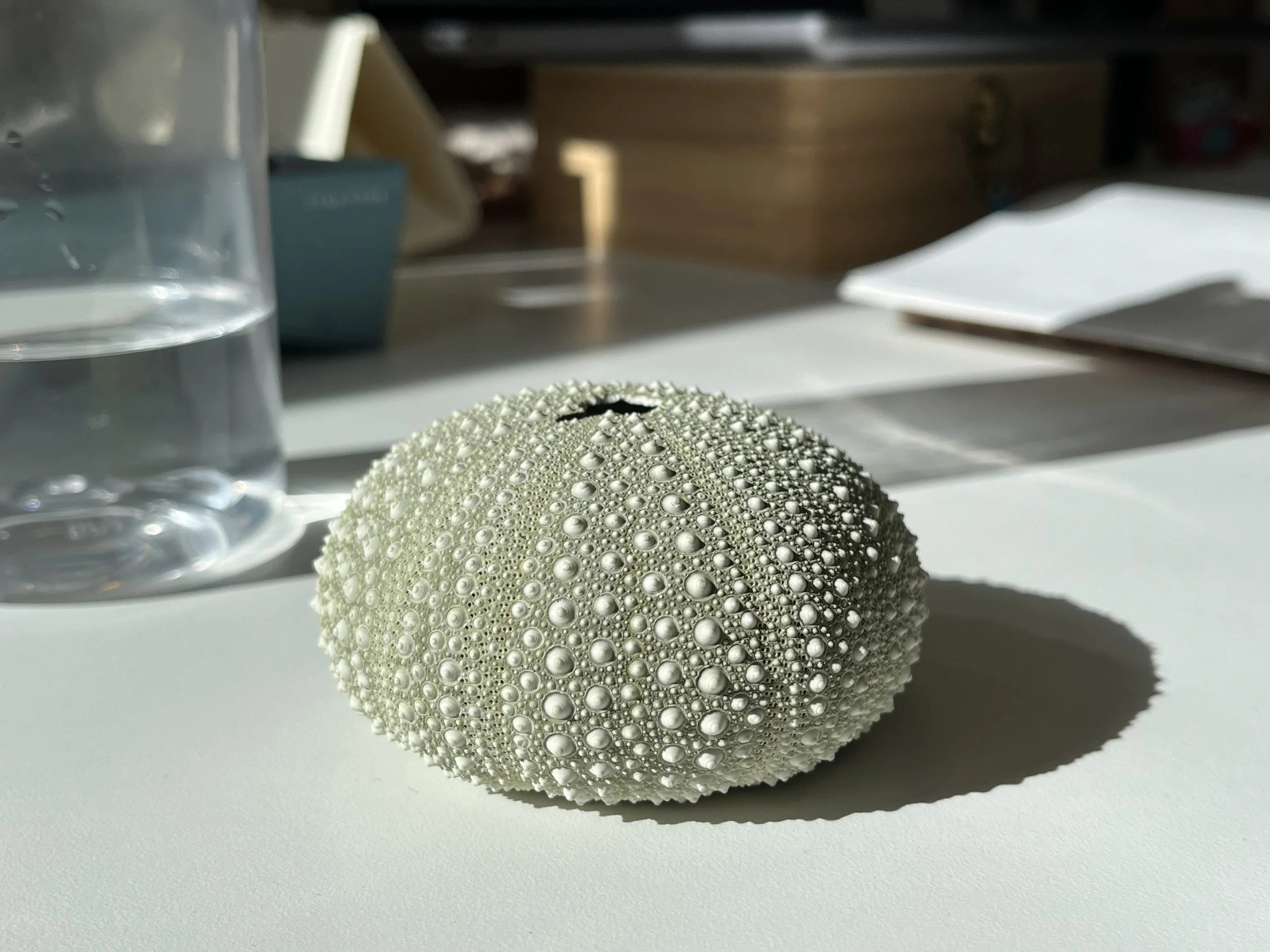
Figure 1. Sun-dried Kina shell [Photograph]. Note. Photographed by author
How can material properties of Kina (New Zealand sea urchin) be utilised in homeware design, to tell a story connecting people to product?
Summative presentation
5 minute, seminar presentation of your proof-of-concept project. Discuss conceptual and contextual mapping of the project, reflective analysis of design practice, and how it will be developed in the thesis.
Feedback from guest lecturers with reflections
All the guest lecturers agreed that the material-driven approach is a strong way to frame my project. Although it means I do not yet have a final outcome, I was reassured that the process and development are the beauty of this type of research.
Storytelling is a major part of my research. Tammy is a surfer, and her experience with Kina out in Raglan is with those washed up on the beaches. She mentions that surfers are afraid of Kina because its spikes are dangerous, and if you step on one, you will not recover for months. This perception is very interesting, especially as it contrasts with the warm and comfortable environment of a ‘home’. I thought this comment was very interesting. It encouraged me to think about how I can seamlessly bring these conversations around kina into an indoor space? What are the current perceptions of Kina? And can these negative images of Kina be changed through my design?
Dan also brought up an interesting point that the processing of this material will be unique to Kina. Does this mean I need to research or develop any special tools for this? This could be a way to engage with the kina in a very authentic manner.
An important question I should research is: how much of this waste is there? Is it a large-scale issue? In a material-driven design project, understanding the whole ecosystem and the conversation around Kina is essential to incorporate into the narrative.
Why is there suddenly so much Kina, and was there something that triggered this?
What is already being done about Kina being pests?
Are there conversations and measures to preserve the ecosystem in Kina barrens?
These could all be part of the narrative I convey with my design. If there is already progress being made on this environmental issue, could my project be part of a larger conversation?
I was told that this contextual knowledge around Kina was not as strong as it could be. Although I can answer some of these questions, if my research wasn’t apparent in my presentation, then it likely felt disconnected from my physical artefacts. I realise now that the research should be more connected and inform my making to build this cohesive narrative.
The volume of the wasted shells will also be important because it can determine the value or class of my final product. If there are not many of these shells, it may be marketed as a higher-value product, affecting my target audience and production methods as well.
I was also reminded again to acknowledge Kina as a food source and its importance to Māori culture. This came up in my formative feedback as well. At the time, I researched it further, but I see that it hasn’t been incorporated into my later making, and that I was losing that connection by the summative. I recognise that I need to learn more and be more engaged with matauranga Māori to further support my research.
Overall, I am very excited about the feedback I received. I feel there are many ways I can develop my concept from here, especially by researching and understanding Kina further and building a stronger connection to my making.
Project narrative (400 words)
400 word abstract outlining this proof-of-concept project. My timeline and goals for the 6 weeks, along with the successes and reflection points are included.