Week 10: Design development
Current research question:
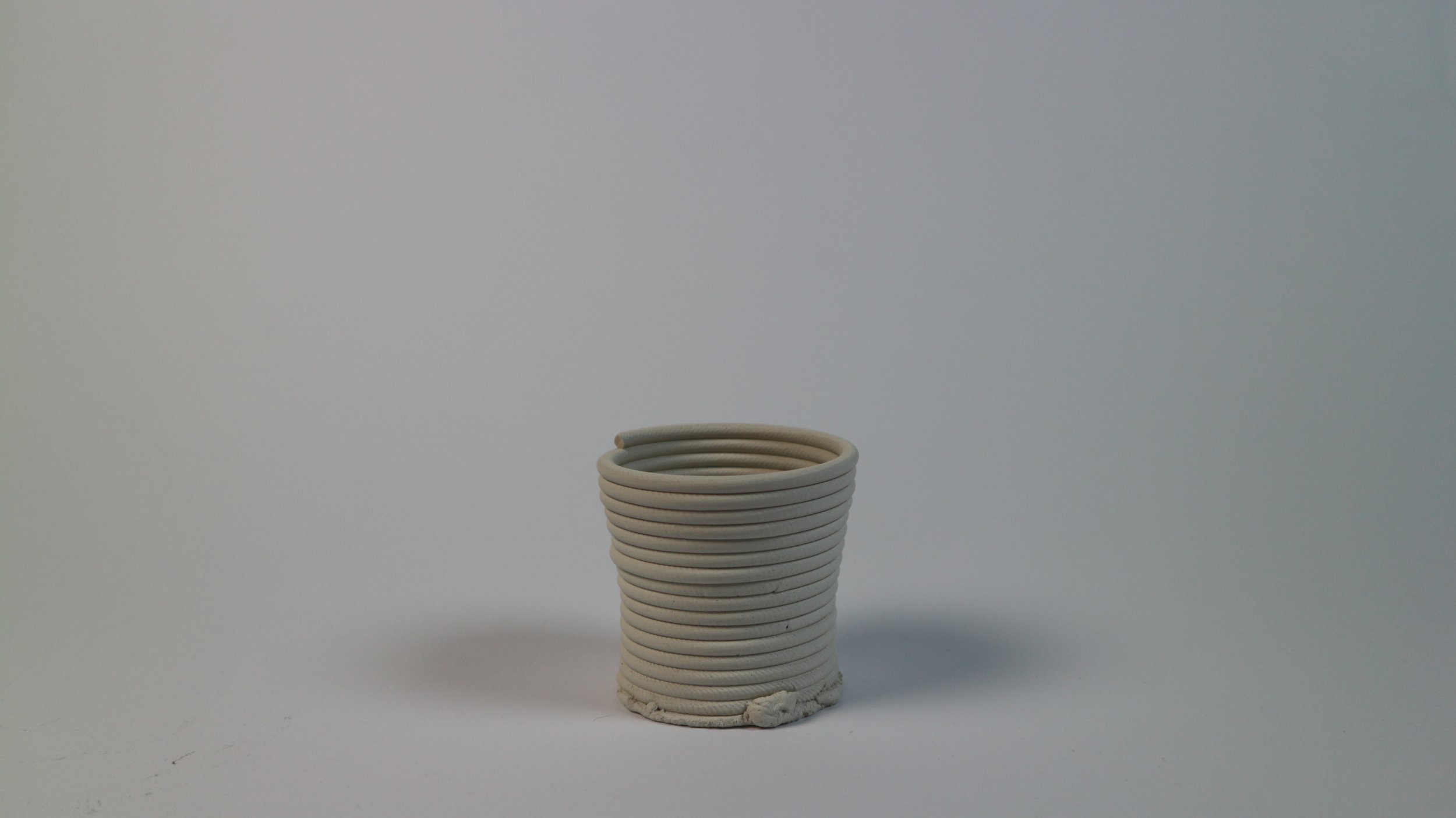
Figure 1. Ceramic printing sample [Photograph]. Note. Photographed by author
How can material properties of Kina (New Zealand sea urchin) be utilised in homeware design, to tell a story connecting people to product?
Gathering materials
Through last week's exploration, I felt that having only one kina shell to work with was extremely limiting and made me hesitant to make anything with the limited resources I had. I realised that my priority now should be to gather the raw materials. While doing so, it would be beneficial to understand what is out there, the people involved and the system around Kina.
Calling local fish markets
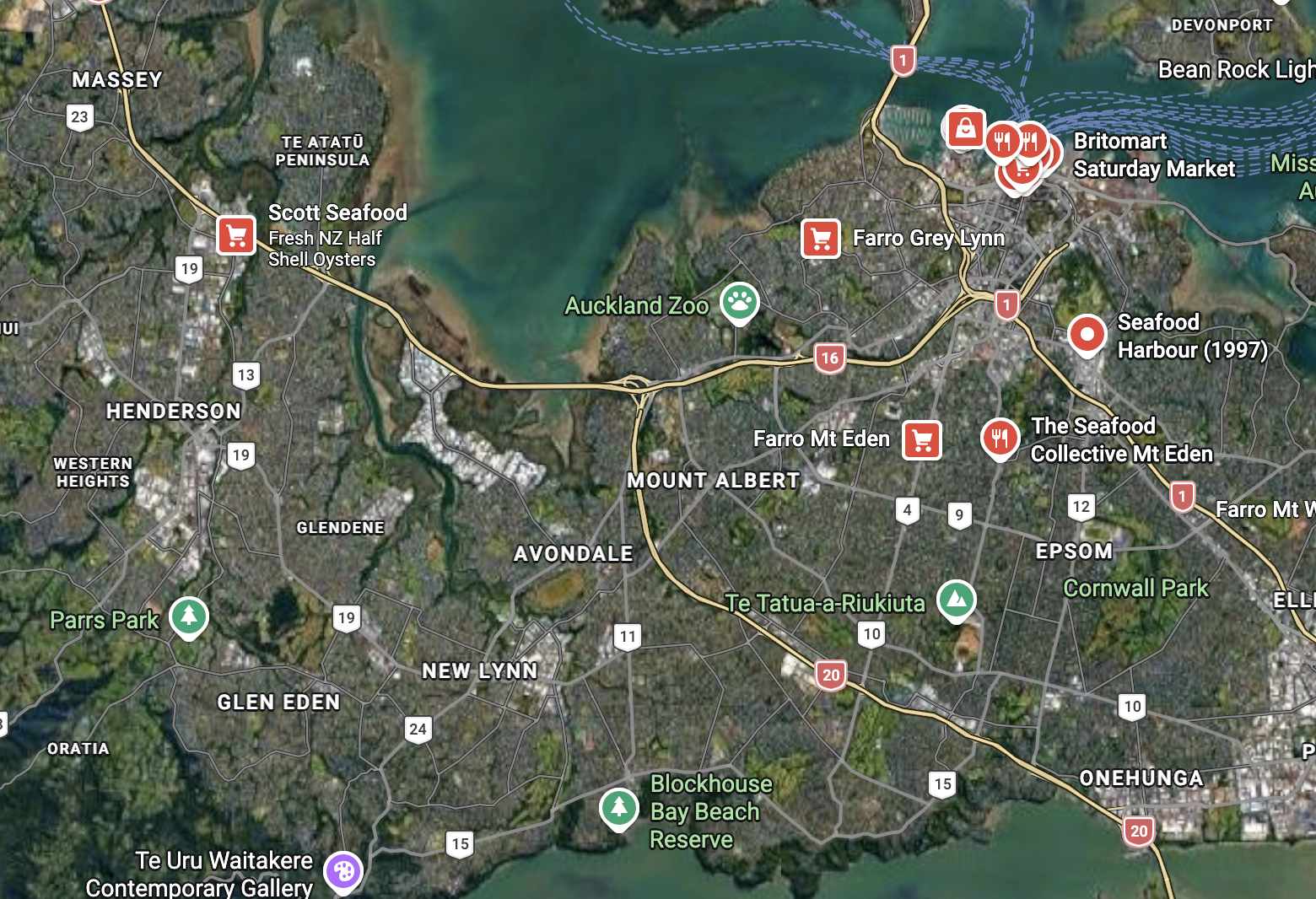
Figure 2. Map of Auckland’s seafood markets [Screenshot] Note. From Google Maps (https://www.google.com/maps/search/seafood+market/@-36.8614104,174.662746,12569m/data=!3m2!1e3!4b1?entry=ttu&g_ep=EgoyMDI2MDUxNy4wIKXMDSoASAFQAw%3D%3D).
Sanford and Sons Fishmonger
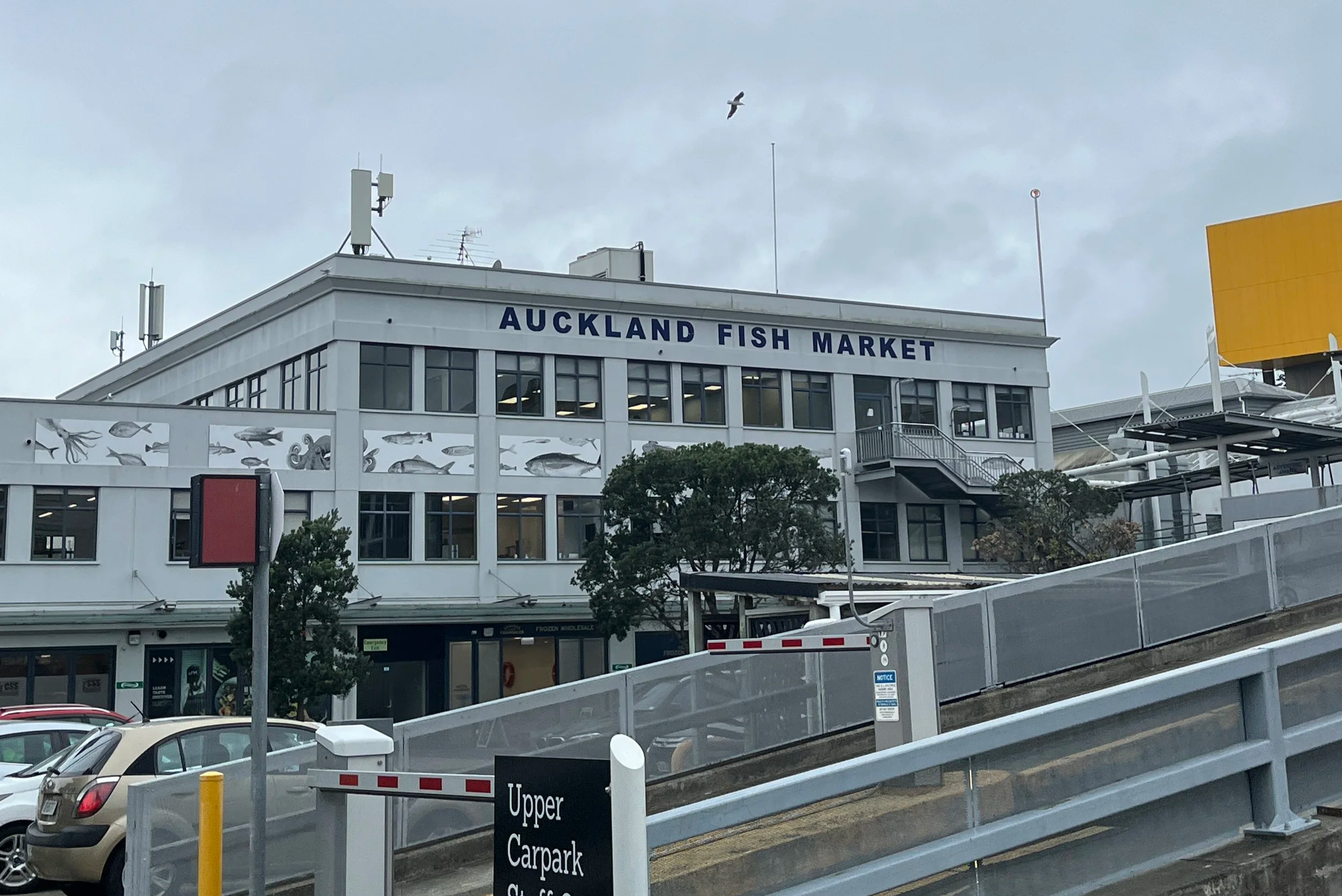
Figure 3. Auckland fish market building [Photograph]. Note. Photographed by author
Figure 5. Me looking for Kina at Hauraki Gulf [Photograph]. Note. Photographed by author
As the phone calls unfortunately didn’t get me very far, I was recommended to visit Auckland’s CBD, the Wynyard Quarter. After asking a couple of stores, I was lucky to talk to the team at Sanford and Sons Seafood. Unfortunately, they also didn’t stock kina at that moment because of issues like difficulty keeping them alive in a tank and their spines clogging filters. Commercially, it is also difficult to sell fresh kina, but depending on the season, they have it frozen. But one of the staff there was interested in my project and kindly offered a contact for their kina supplier, Sunz Seafood (Sea urchin New Zealand). Sunz Seafood is a family-owned company of free divers based in Coromandel, where they deshell the roe and crush the shells before sending the potted roe to retail stores. He explained that the shells could be used as fertiliser, but are most likely thrown away. These people would be a great contact for understanding the system and community around Kina, too.
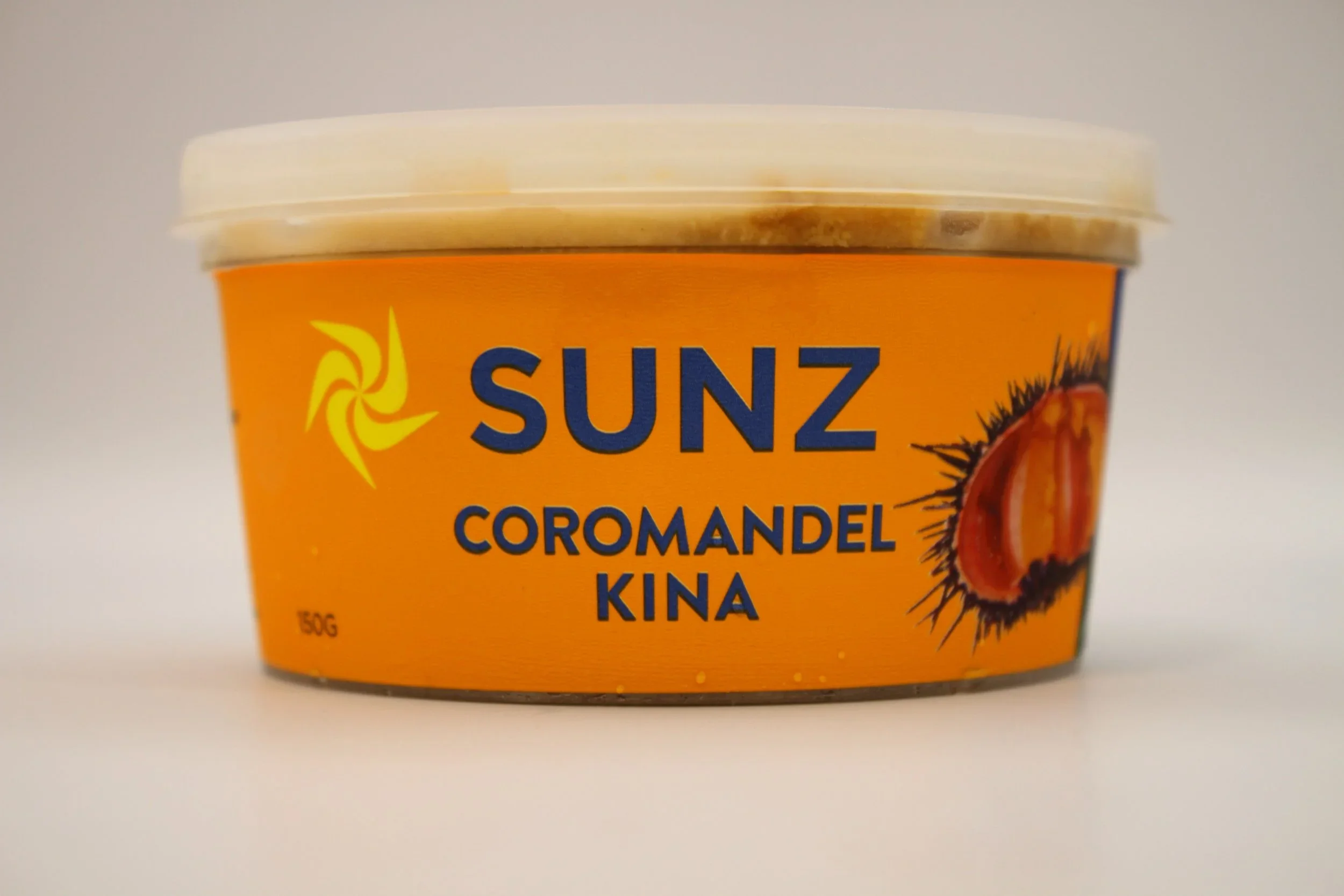
Sunz Seafood (Sea urchin New Zealand)
I researched and called many seafood-related shops in the Auckland area, including the CBD, Wynyard Quarter, and Henderson. Most did not have stock, mainly because they did not sell well, and some mentioned that it is not the season for Kina. A handful only sold them frozen, and even those that did only sold them in pots with only the roe, unfortunately, not whole with the shell.
After contacting Sunz Seafood through email, they were very supportive and agreed to give me some of their wasted Kina shells. Upon discussion, they agreed to ship two polypropylene boxes of crushed kina to my apartment in Auckland, as Coromandel was too far for me to drive. I am very grateful for their generosity, as it now means I can experiment with the raw material without hesitation, wasting or running out of Kina.
Figure 4. Product photography of fresh New Zealand Coromandel Kina [Photograph]. Note. From Sunz seafood (https://www.sunzkina.co.nz/shop/p/nz-coromandel-kina-sea-urchin-roe-wholesale).
Hauraki Gulf
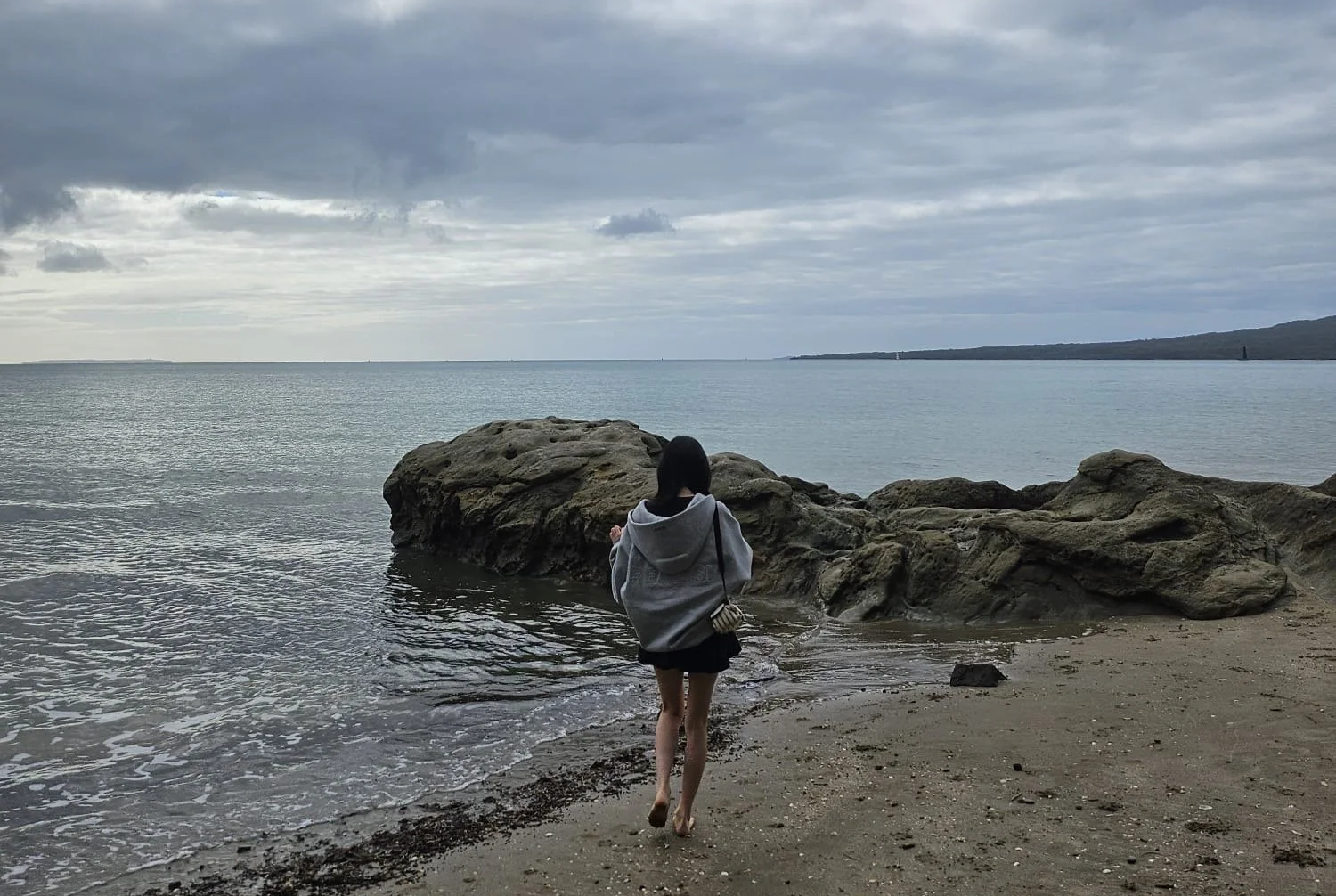
I was also recommended to visit beaches with Kina to look for washed-up Kina shells myself. Hauraki Gulf is known to have an increase in Kina barrens due to overfishing of crayfish in the area (Department of Conservation, n.d.). Unfortunately, I didn’t consider the tide, and it was too high for kina to be found on the shore. In saying this, it was good to find out for myself and see the environment where Kina could be.
Shells in ceramics (clay)
While researching seashells, composed of calcium carbonate, and their history and use in ceramic glazes, I came across seashells’ use in clay as well. Burning and crushing shells improve the physical properties of the clay when mixed in, such as strengthening or reducing the likelihood of cracking (Bloch, 2020). Since I had already explored ceramics earlier and knew it fit well with Citta’s product line, I became curious to learn more.
Ceramic printing machine
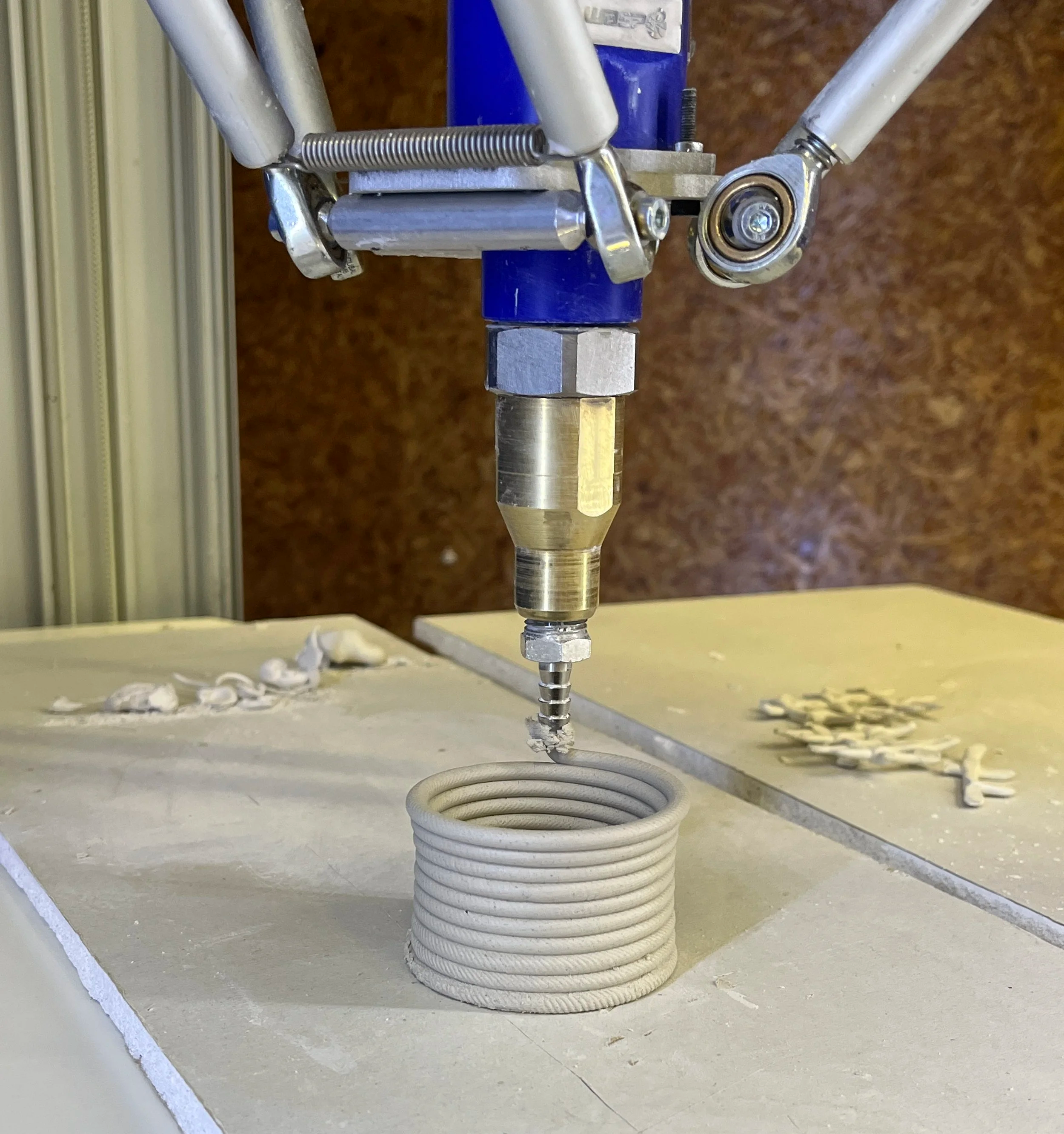
I had never worked with the ceramic printing machine before, so the technicians guided me through the process and showed me what I could do with it. We discussed mixing crushed shells to temper the clay, and the testing required to allow safe and efficient testing. Due to a clash with other students and the need to test the mixture to ensure it does not clog the printer, it was not realistic to experiment with this method this week. But to prepare, I crushed the shells and printed a sample with regular clay so I could compare it to my explorations.
Figure 6. Process photo of ceramic printing sample [Photograph]. Note. Photographed by author
Meeting with Citta
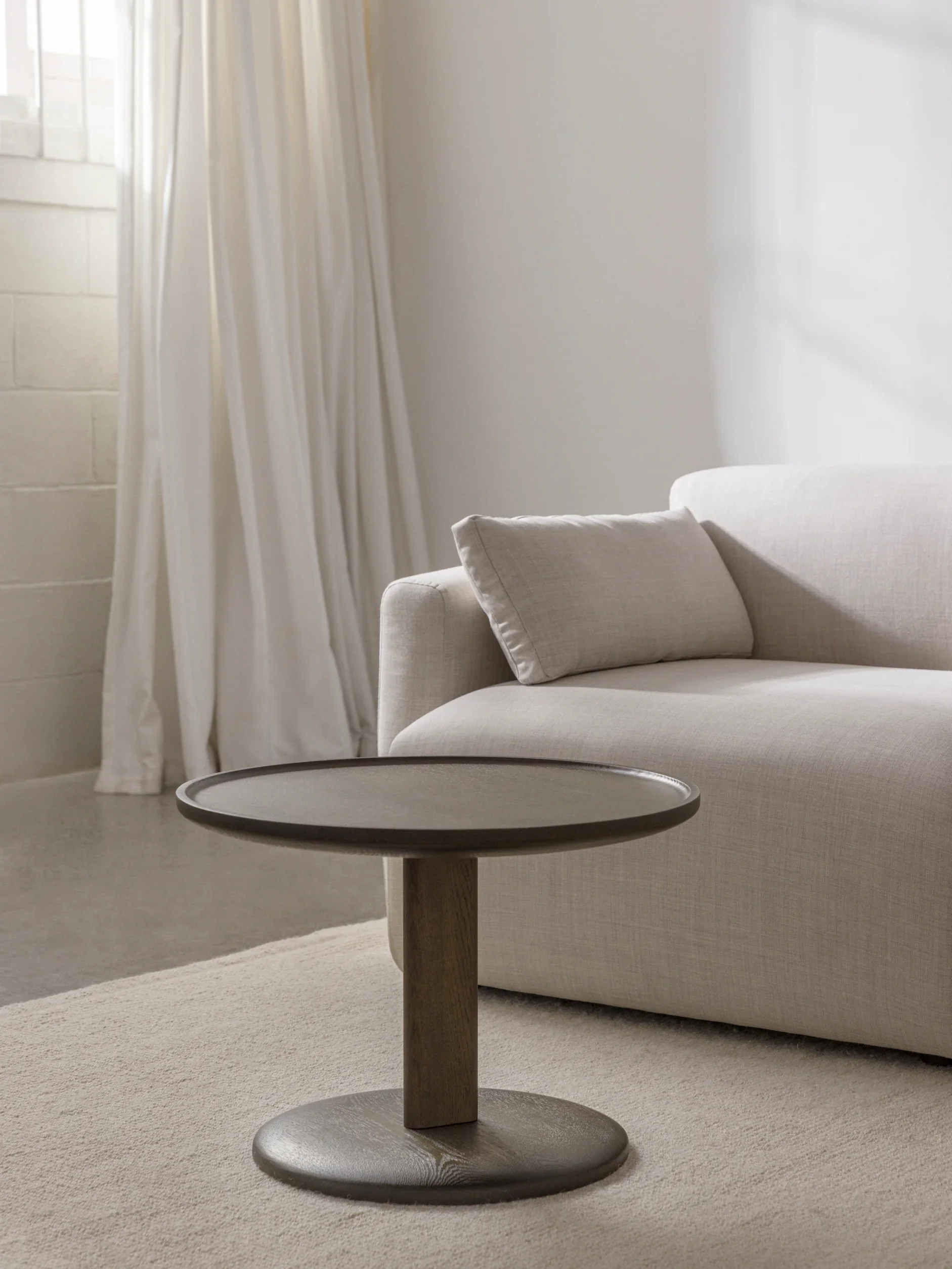
Although the ceramic printing and clay exploration were interesting, I was warned not to go too deep without a reason. This was because my project is framed as a material-driven design project, which, for me, doesn’t yet focus on manufacturing methods.
This meeting was not as beneficial to my project's development, but it was still valuable to my broader knowledge of product design. My focus this week was primarily on gathering the raw materials (kina shells) and insights into the system and community around them, which resulted in less progress on my physical making that I could get feedback on. Instead, I took this opportunity to ask about Citta’s design process. I could see similarities in their methods for teaching design, but also areas they focus on more, like manufacturing and communication. Seeing their raw process from the early stages to a successful product was very eye-opening and interesting.
Figure 6. Product photography of Citta’s ‘Lily Side Table’ [Photograph]. Note. From Citta (https://citta.com/products/lily-side-table-3?pr_prod_strat=e5_desc&pr_rec_id=d849e7696&pr_rec_pid=10272290472236&pr_ref_pid=10272290603308&pr_seq=uniform).
Receiving the Kina shells
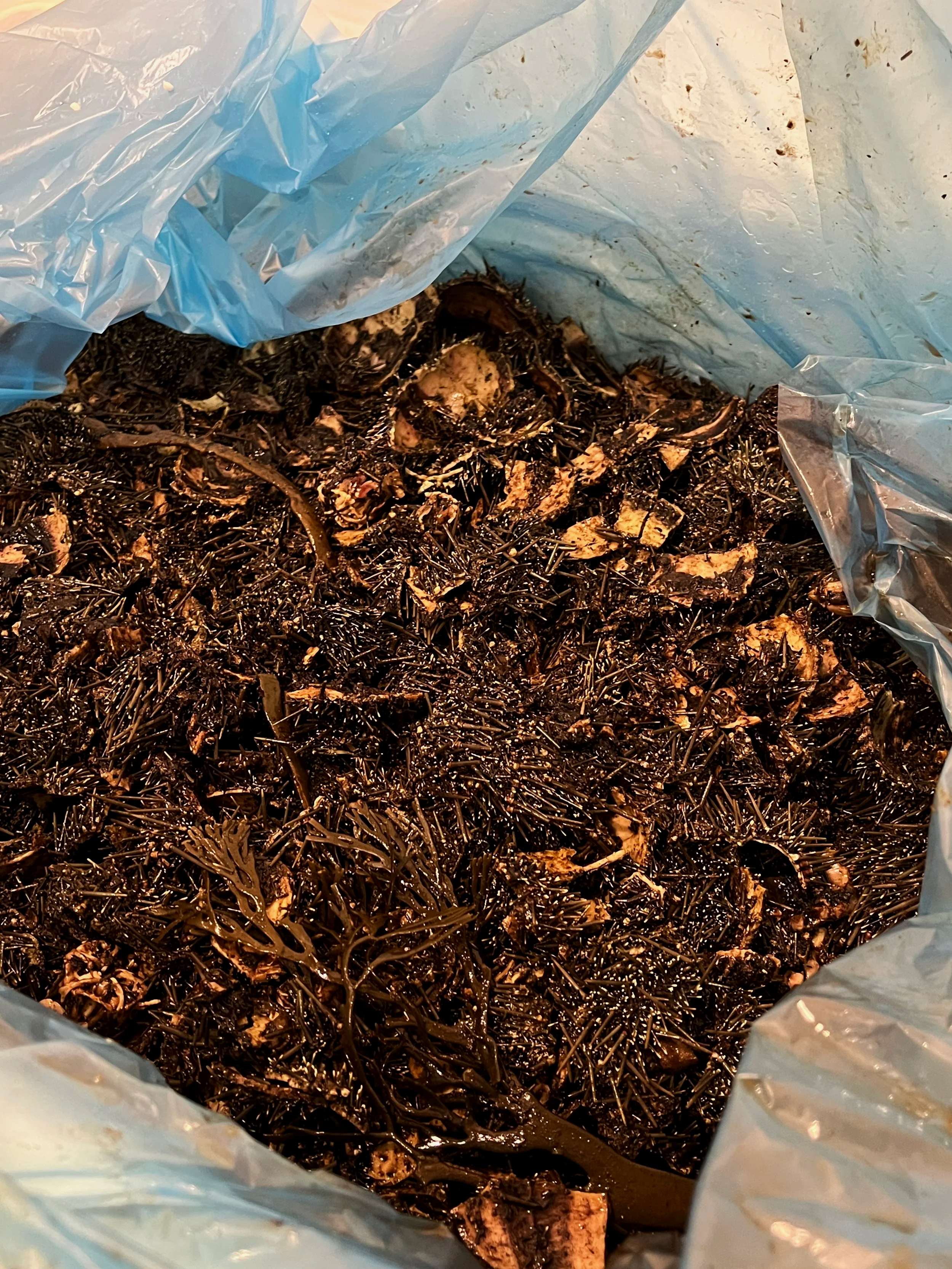
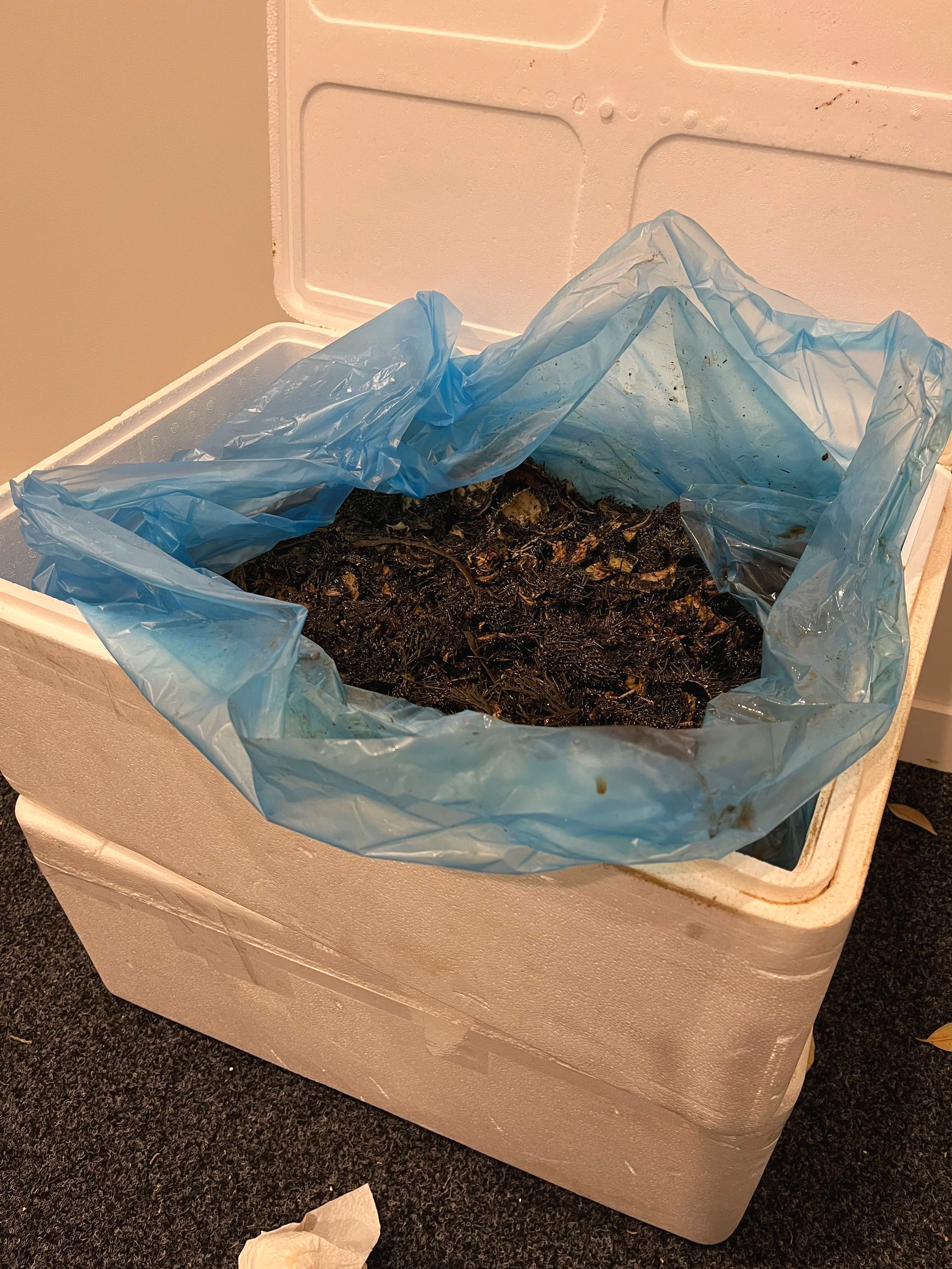
The Kina shells arrived in two large polyprop bins. They were slightly crushed to allow more to fit, uncleaned, and fresh from the source.
It was interesting to see how different they were compared to the sun-bleached Kina I worked with last week. As they are still new, their moisture and ocean buildup remain in the shells, giving them an unpleasant odour. This means my first step is to clean the two full Kina bins.
Figure 7,8. Two polyprop bins full of Kina shells [Photograph]. Note. Photographed by author
Reference list
Bloch, L. (2020, May 15). Clay Chronicles VI. Ceramic Technology Lab. https://www.floridamuseum.ufl.edu/ceramiclab/blog/clay-chronicles-vi/
Citta. (n.d.). Lily Side Table [Photograph]. Retrieved https://citta.com/products/lily-side-table-3?pr_prod_strat=e5_desc&pr_rec_id=d849e7696&pr_rec_pid=10272290472236&pr_ref_pid=10272290603308&pr_seq=uniform
Googe Maps. (n.d.). Map of Auckland’s seafood markets [Screenshot]. Retrieved May 19, 2026, from (https://www.google.com/maps/search/seafood+market/@-36.8614104,174.662746,12569m/data=!3m2!1e3!4b1?entry=ttu&g_ep=EgoyMDI2MDUxNy4wIKXMDSoASAFQAw%3D%3D).
Sunz Seafood. (n.d.). Product photography of fresh New Zealand Coromandel Kina [Photograph]. Retrieved May 22, 2026, from https://www.sunzkina.co.nz/shop/p/nz-coromandel-kina-sea-urchin-roe-wholesale