Progress in cleaning the Kina shells. Observations and reflection.
My Kina shells were stolen.
At the end of week 10, my two boxes of Kina were stolen from my back garden. This was very disheartening at the time, as it meant I had lost the progress I had already made on the Kina I had started cleaning. Fortunately, I had set aside a little box full that I planned to use for my experimentation in week 11.
I received two more boxes.
I am very grateful to Sunz Seafood, who understood the situation and agreed to send me another two boxes (50kg) of Kina shells. I was surprised to see that these shells were even bigger.
Before my first batch of shells got stolen, I realised that the seafood smell got stronger as the days went by. At around 5-7 days, it started to smell bad (this was the main reason why I had to leave them in my garden). The inside of the shells also gradually turned from green to a dark red colour. With this in mind, I started to clean the shells as soon as I received the second batch.
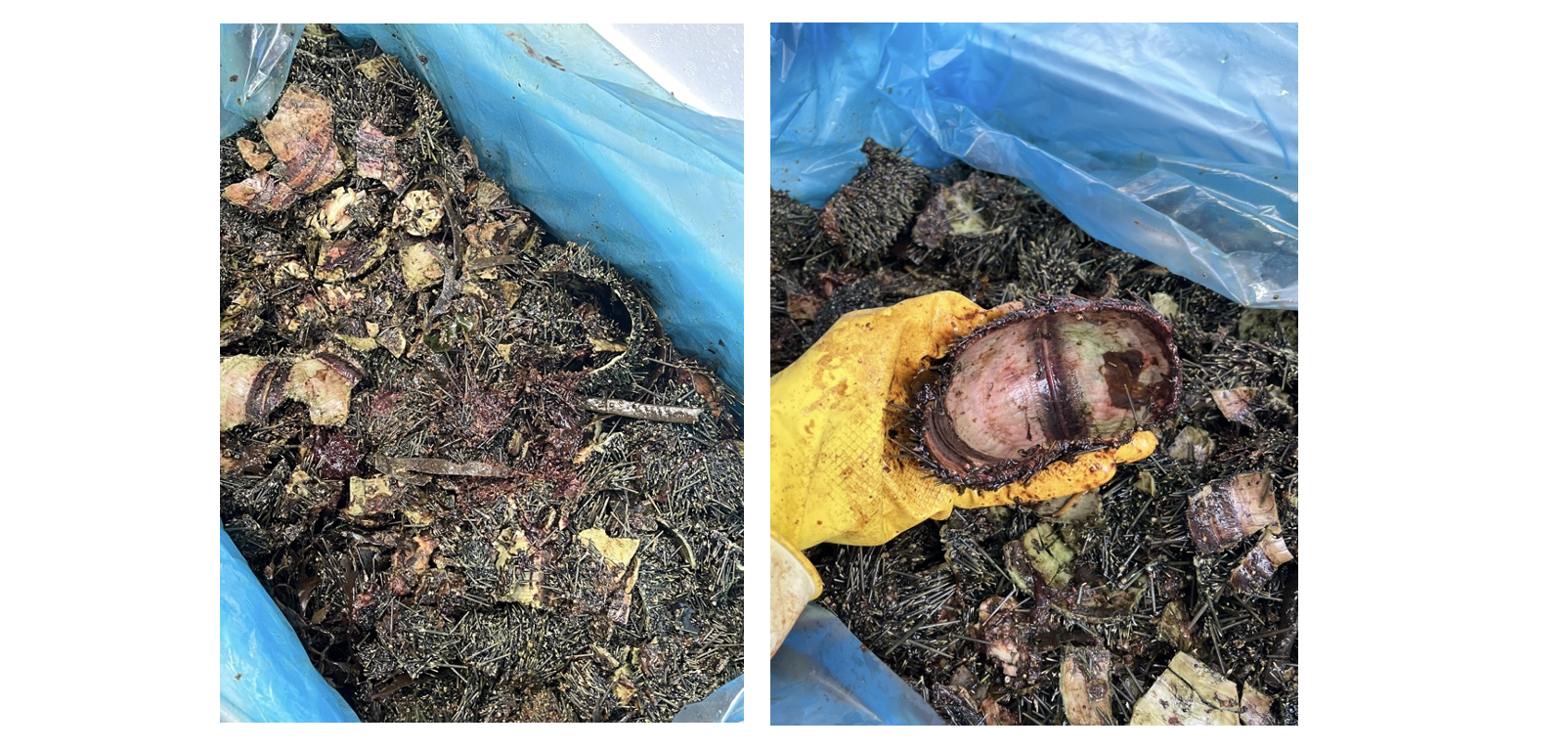
Figure 1. Second batch of Kina shells [Photograph]. Note. Photographed by author.
Cleaning the shells.
The cleaning process is long and tedious. I separated the 2 poly bins into 4 rubbish bags, and each bag took me around 3-4 hours. As I didn’t want to damage the shells or process them too far, I just scrubbed off the leftover fluid and internal organs with a bit of detergent. The process was difficult because the shells came slightly crushed, meaning there were many small shells to clean. Once cleaned, I moved them to a large container for soaking in water. There were a couple of reasons for the water. Firstly, I was worried about mould growth over time when left in the closed container; this also helped control the smell. The second reason is that the little box of kina I had previously set aside had been sitting in the excess water I had cleaned them with for about 10 days, and when I came back to them, all their spines came off very easily. Kina shells are known to shed their spines in illness or when they near the end of their life (NIWA, 2025), and with the water potentially softening their shell as well, it revealed just the shell underneath. After the spines were rinsed off, they dried quickly (half a day).
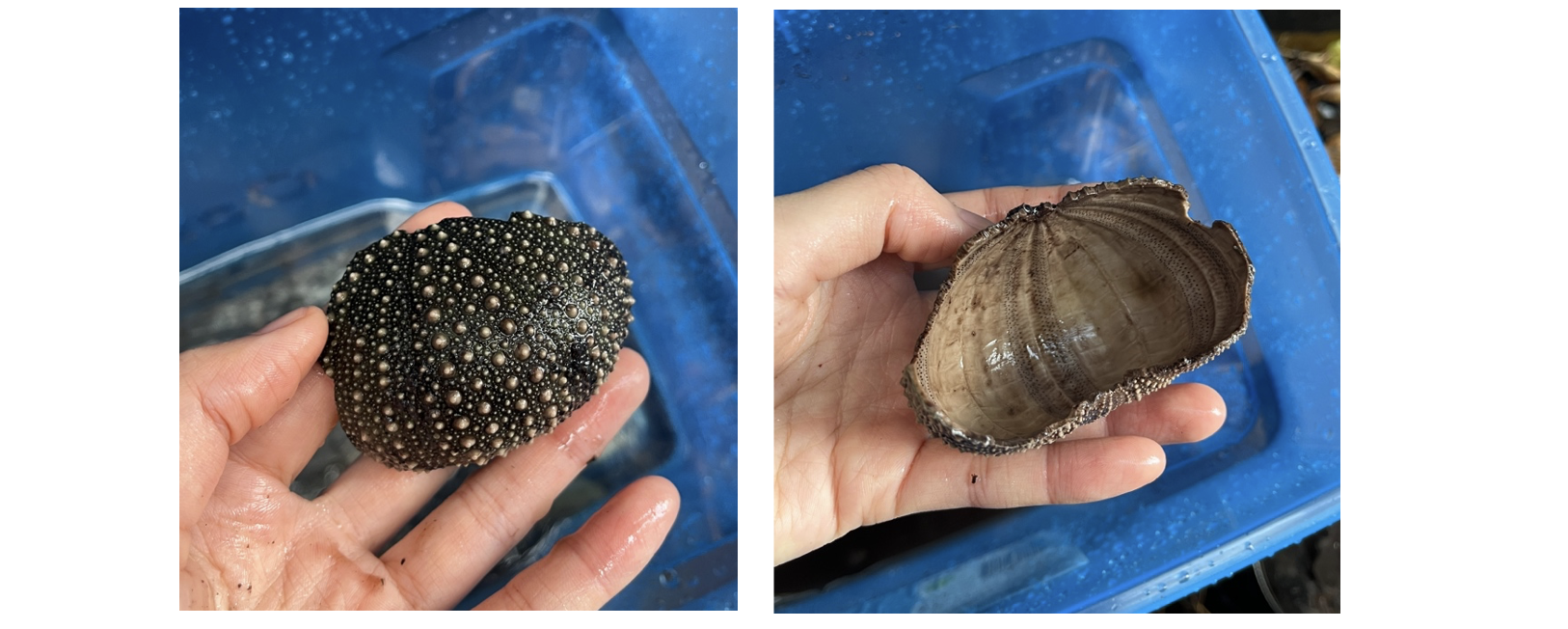
Figure 2. Kina’s spines came off easily with a rinse [Photograph]. Note. Photographed by author.
While cleaning the shells, the kina fluid sometimes accidentally got onto the concrete tile I was cleaning. But this rinsed off easily with water and didn’t leave a stain. Reflecting on the Ecodye experiments I did in week 11, it now makes sense that there was not much dye to extract from the kina. This has taught me that, instead of relying solely on research, I must engage more deeply with the kina shells and listen to their characteristics to inform my experimental practice.
This cleaning process made me think about Kina in a manufacturing context. For example, Citta often produces its products in bulk rather than as artisanal one-off items. This means I should aim to keep processes as uniform and controlled as possible. Some of the shells come in large pieces, but most are crushed, meaning I shouldn’t rely on the shape of the kina shell or on its being whole for my design. The same goes for the spines. During the cleaning process, some spikes fell off, while others stayed on. After leaving it for 10 days, they naturally fell off, so I should not design for the spines and shell together. This made me confident that I can crush the shell and disregard the spines and other parts of the kina, focusing on the main shell.
Some things I have noticed with the dried shells are:
They are very lightweight, when they contact each other, they sound like glass.
There is little to no smell.
The colour turned from almost black to dark and pale green areas.
When pressure is applied, they are brittle but only break along their seam lines.
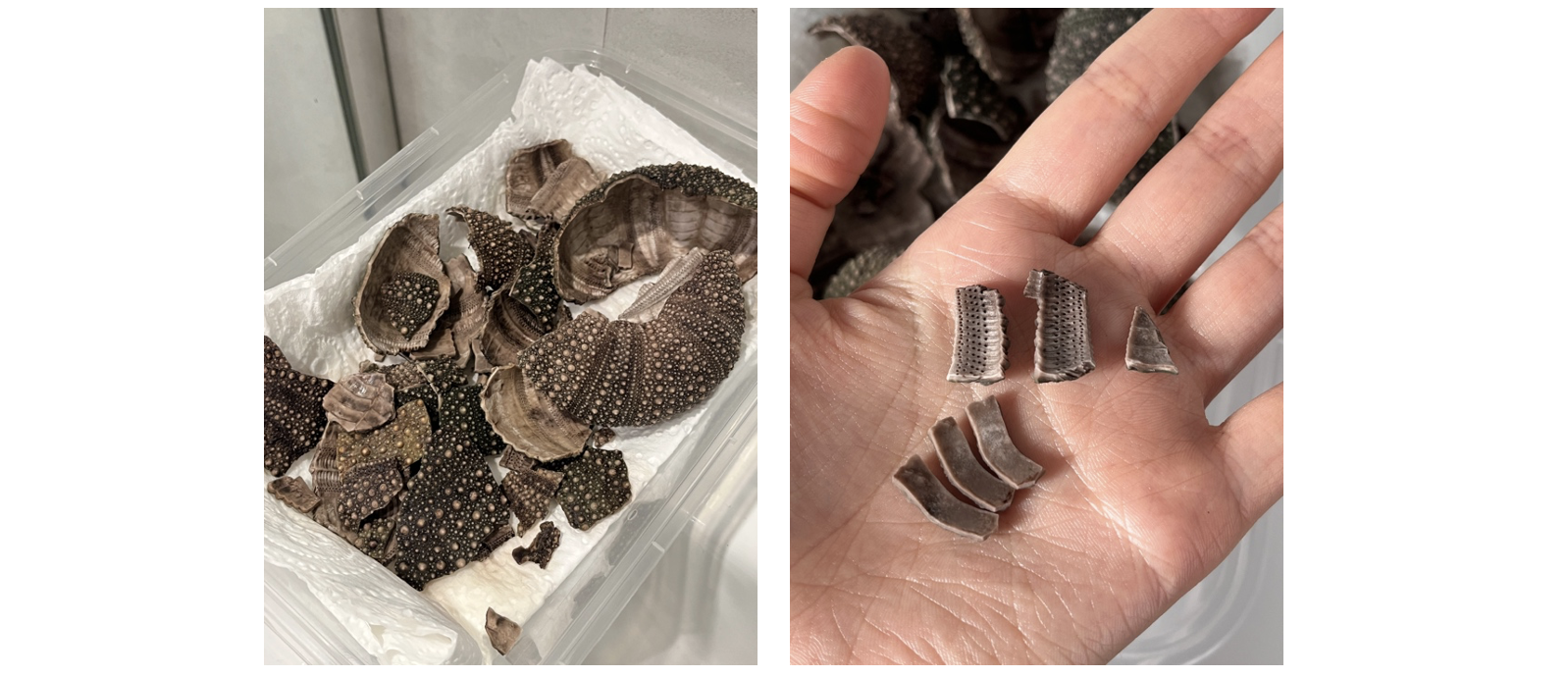
Figure 3. Dried shells and them splitting at their seam lines [Photograph]. Note. Photographed by author.
Currently, I am waiting for the spines to loosen off the shells so I can continue to dry the rest of the container.
Reference list.
NIWA. (2025, February 18). Kina. NIWA. https://niwa.co.nz/taonga-species/taonga-species-series/kina
