Week 9: Seminar presentation
Current research question:
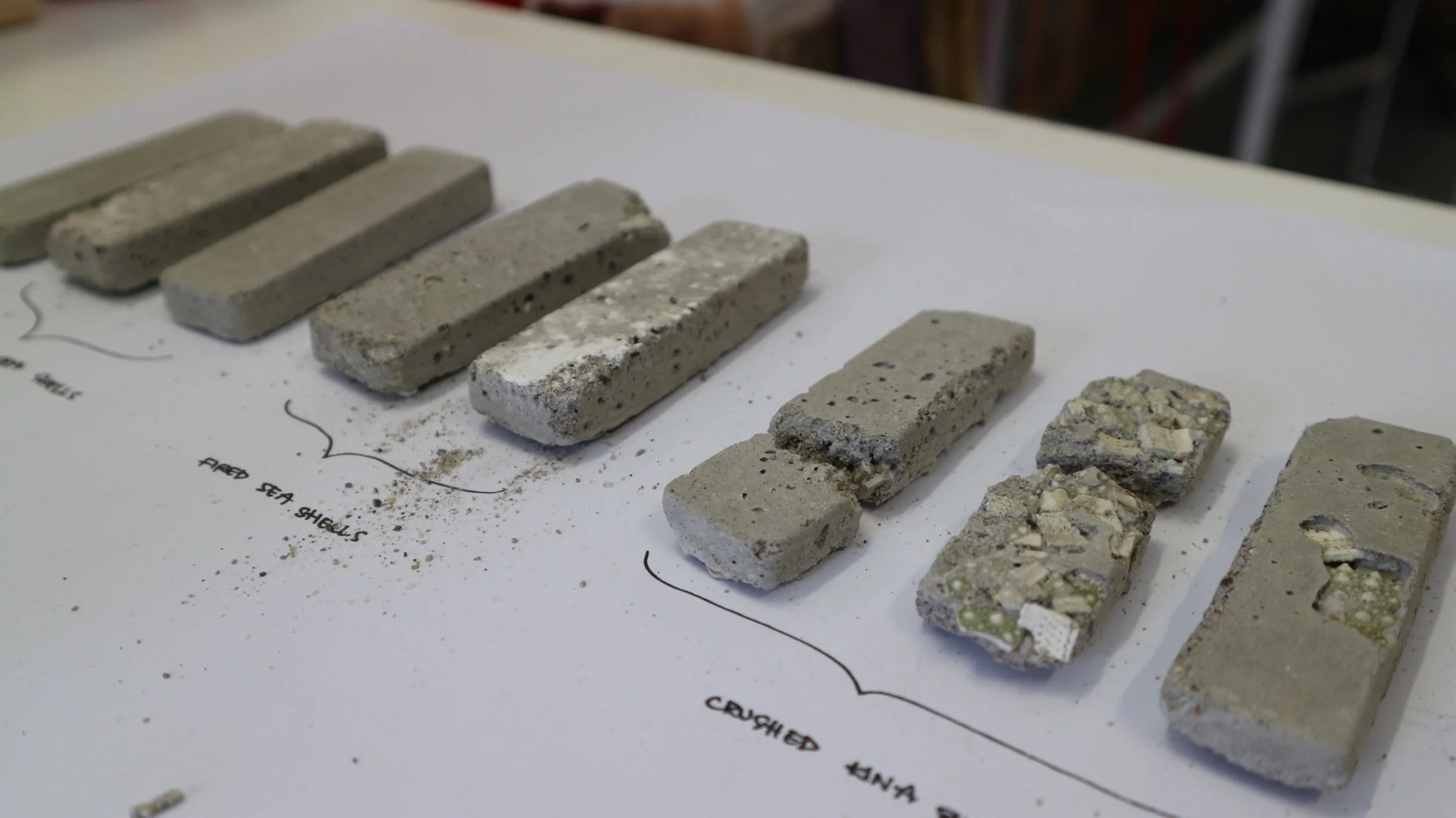
Figure 1. Concrete experiments with Kina shells as an aggregate [Photograph]. Note. Photographed by author
How can a material story be told of Kina (New Zealand sea urchin) in homeware design, to provide comfort and familiarity to a space?
Seminar presentation
5 minute presentation of your proof-of-concept and making work thus far. Present key contexts and production schedule to support your making
Presentation feedback
Feedback was given by 4 guest lecturers: Dan Scudder, Emma Heatly, Eujeen Hwang, James Smith
Overall, the guest lecturers' feedback was positive, and they gave me good points to expand my research and think further about. They emphasised the clarity in my direction, and the narrative is coming through strongly, supported by my making.
One aspect highlighted in my feedback was the importance of respecting matoranga Maori. The Maori have used Kina as their kai and have hundreds of years of history of that interaction between the ocean, kina, and the people. So when stepping into this set of knowledge, which is different from my own culture, it is important that I approach it with the right care and respect it deserves. Drawing on Maori mātauranga and its environment, the kina season falls between kowhai and pohutakawa, an interesting perspective I know very little about. I think there is a very interesting environmental narrative that comes with this.
Emma, one of the guest lecturers, told a story of how she often dove for kina to clear the sea beds for the seaweed and snapper. The kina was then donated to the Māori community in celebration. She said that every time she dove into the ocean, there would be a blessing, elements like these that show the cultural significance of building the community and tradition around this story of Kina.
The murex sea snail, found in the Mediterranean, is an interesting source of inspiration, as it is known for producing a purple dye. I have already started looking into this, but further research into how it would be applied in a New Zealand context would be useful.
My material-driven design approach is very practice-heavy and can get messy, so I was advised to adopt a clear, systematic approach, documenting progress and findings to allow me to revisit any reflections if they are useful in my thesis year.
Another big part I need to consider is the scope of my project. One piece of feedback I got was that incorporating the ‘bringing comfort and familiarity into a living space’ part of my research question could make my project too big. Currently, I am approaching homeware with a material-driven design approach, but the second half of my research question explores the interaction and function of the products, which is another large component of design I must consider. I need to either refine my scope to focus on material properties or embrace a combination of the two.
Updated timeline
Another feedback I received from one of peers was to visualise my timeline more. She could see that the material exploration part was repeated four times and suggested organising the tasks in a circle would help emphasise the repetitive nature of my project.
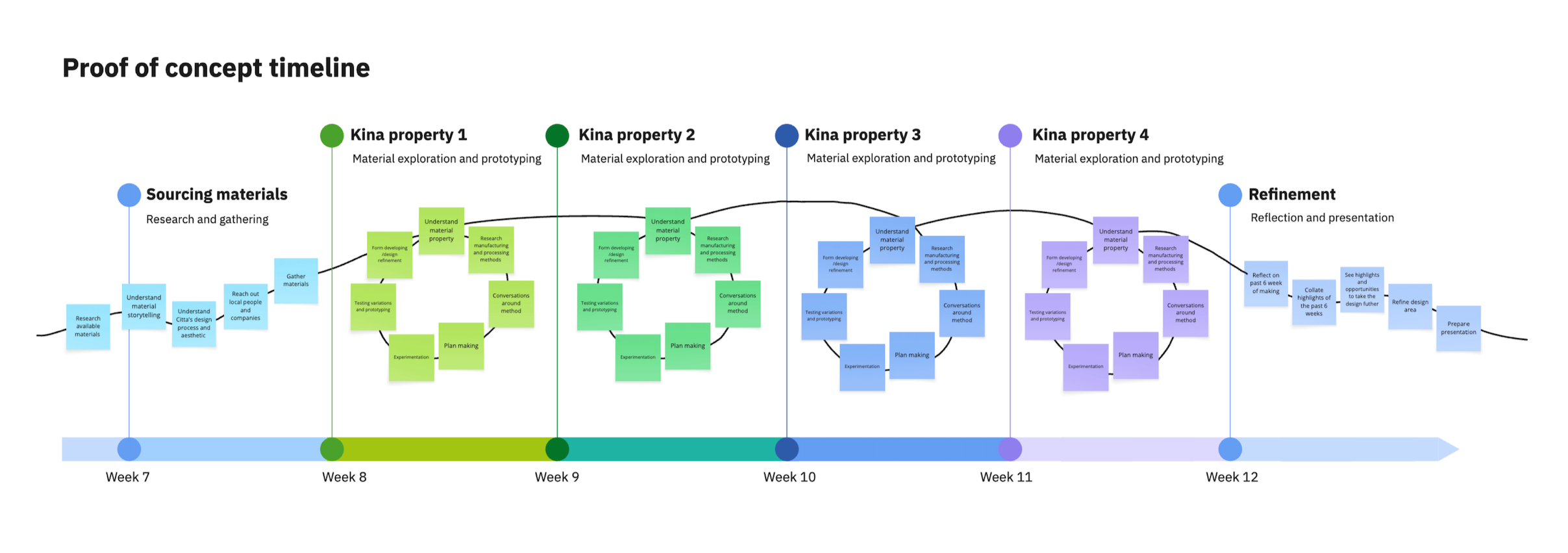
Figure 2. Updated proof of concept timeline [Diagram]. Note. Made by author on Miro.
Kina shells and concrete
In my last meeting with Citta, Haydn had mentioned the potential reason why Nikolai brought up Kina. At the end of last year, they had spoken with a group of designers working with Kina shells and concrete, but unfortunately they weren’t continuing with this project, so Nikolai shared this opportunity with me. I researched this group and found a company called KiwiKrete (I am unsure whether this was the same company, but they have a similar practice) (Concrete NZ, 2025).
I also tested the same ratio and the same experiments with kina shells. As expected, the shell was very brittle, but the structure and the way it broke surprised me. It crushed in an almost uniform way following its pentagonal structure.
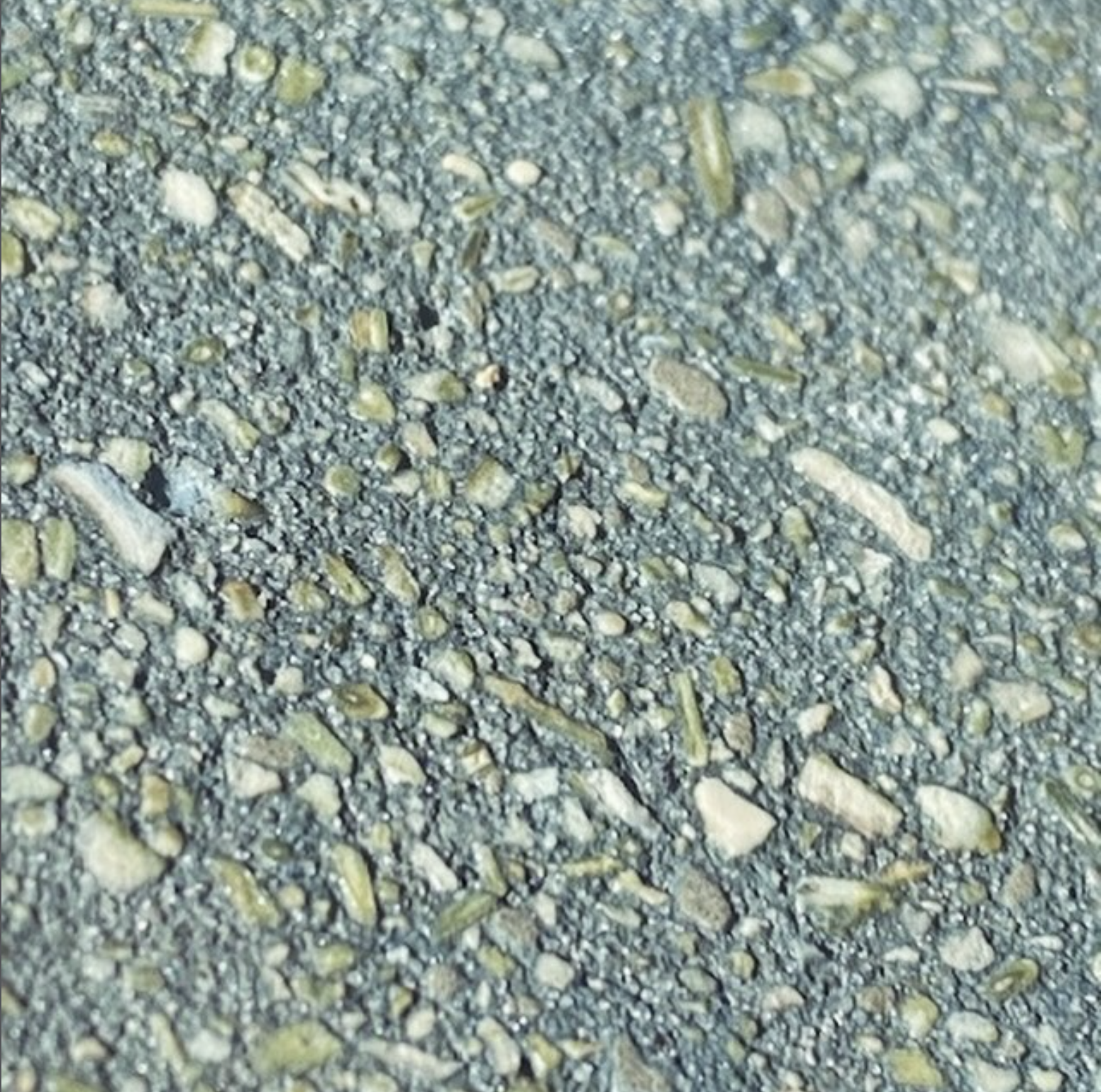
To support this, research says seashells are already used as a more eco-friendly substitute for aggregates in concrete (Essalem & Cherradi, 2023). Kina shells, which have the same composition as seashells (NIWA, 2025; Woods Hole Oceanographic Institution, n.d.), suggest how KiwiCrete also achieved similar success.
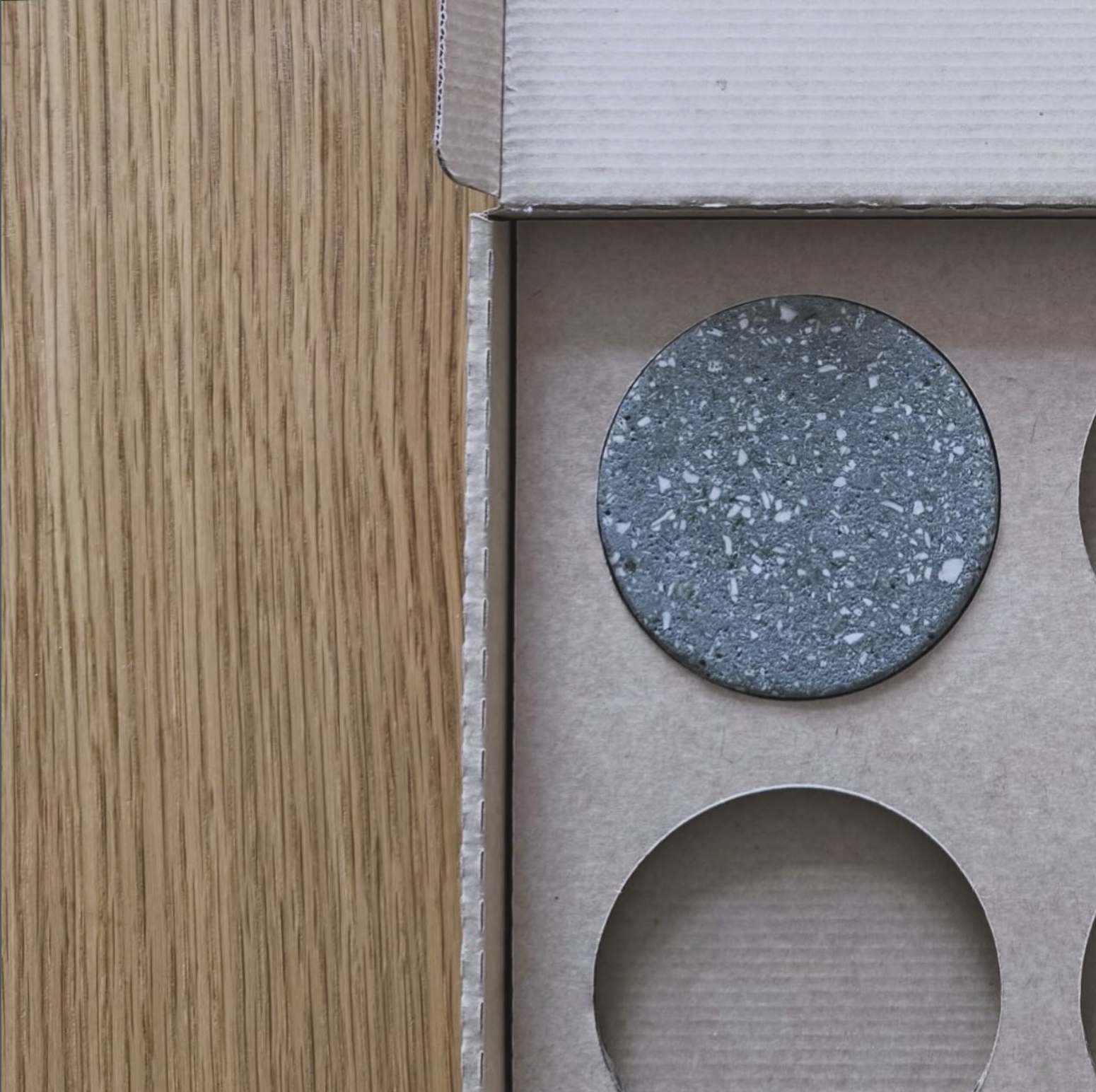
Figure 3,4. KiwiKrete’s concrete with Kina aggregate coasters [Photograph]. Note. From Instagram. Velzynz, 2026. (https://www.instagram.com/p/DWpCKgKkhaA/).
To better understand their process and thinking, I went over to the wetlabs with the Kina shell Citta had kindly given me to experiment with. Here I learnt about the process of concrete making and aggregates, before trying it for myself. I started off by experimenting with my leftover crushed shells from the previous week. Below are the ratios and measurements I used to fill the wax moulds.
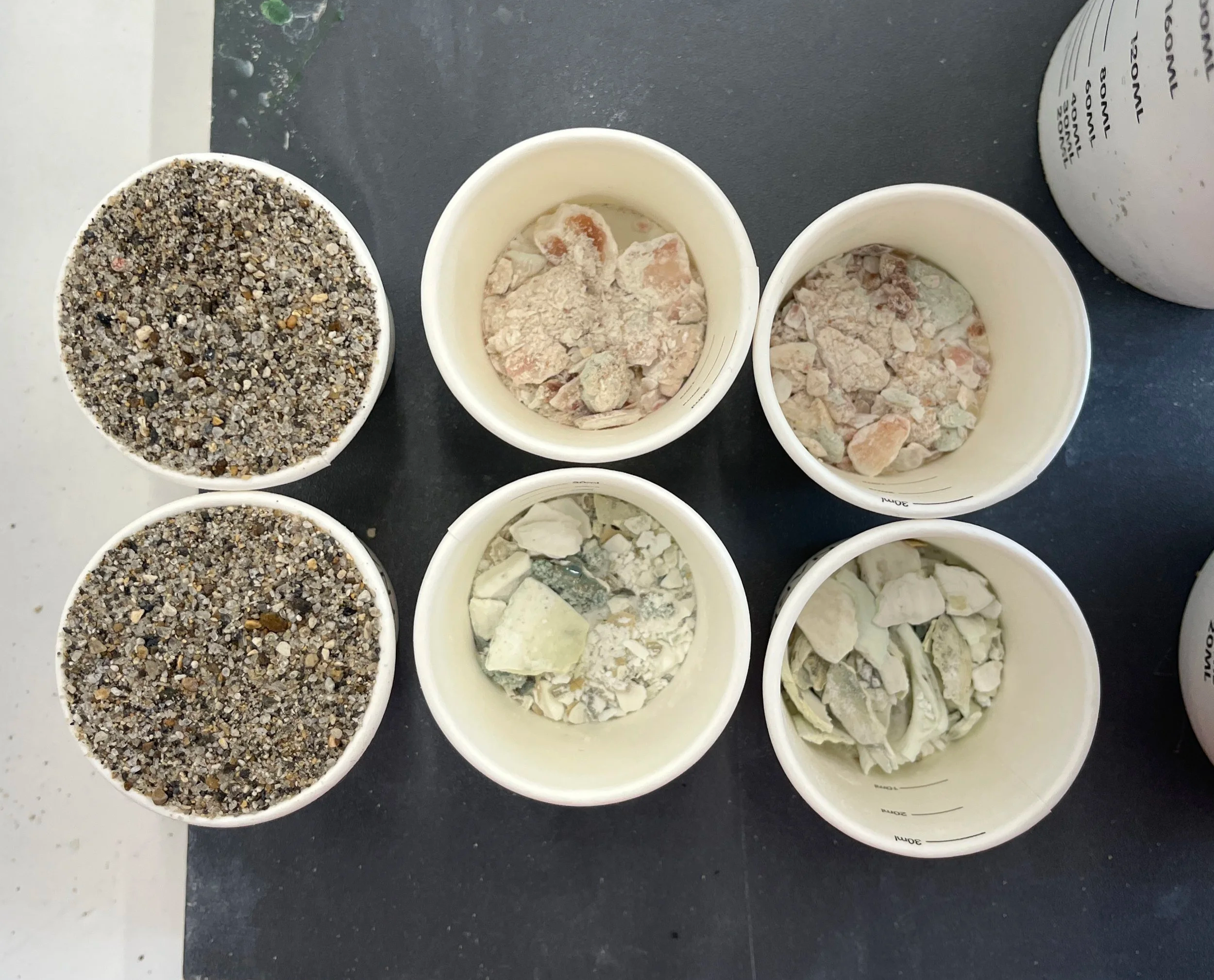
Figure 5. Shells and sand measured for concrete making. [Photograph]. Note. Photographed by author
To try different methods, I used one portion of the crushed shells to mix into the cement, and the other I left to lay on the bottom of the mould, similar to terrazzo tile-making.
Here are the moulds after 24 hours.
Crushed shells – 4.5g
Sand – 2 cups
Cement – 1 cup
Water – add until consistency is correct.
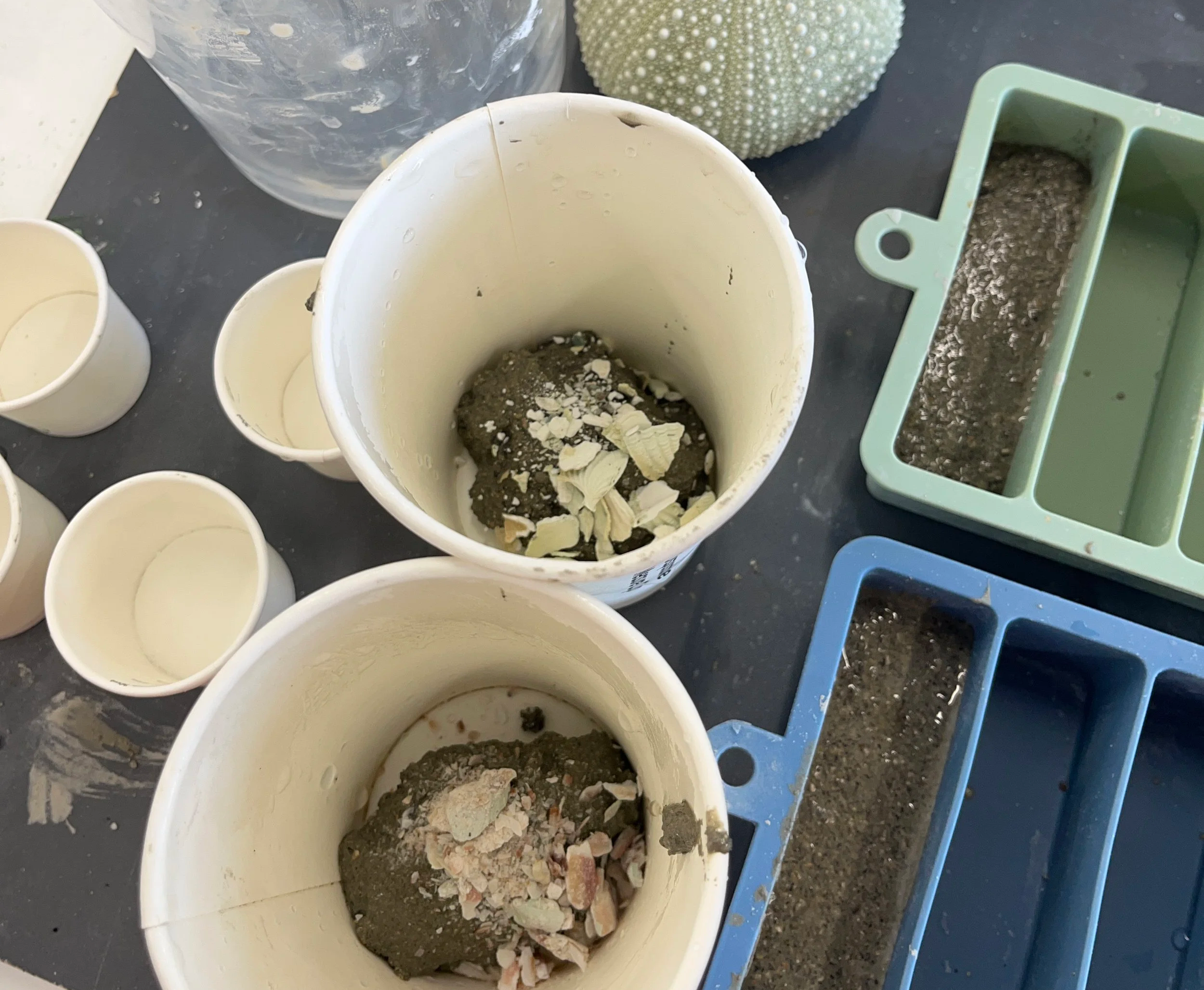
Figure 6. Process photo showing the mixing of cement, sand and shells [Photograph]. Note. Photographed by author
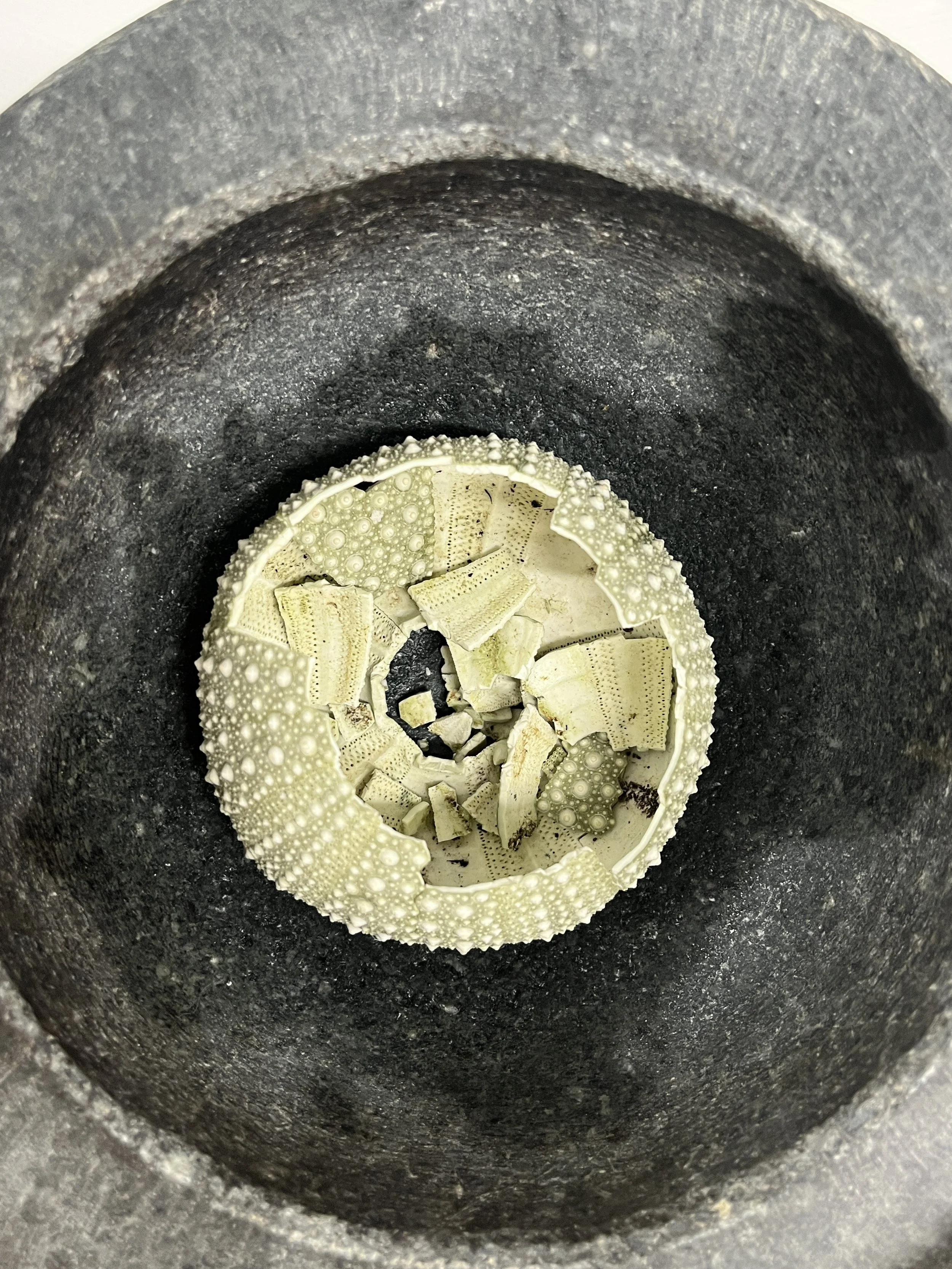
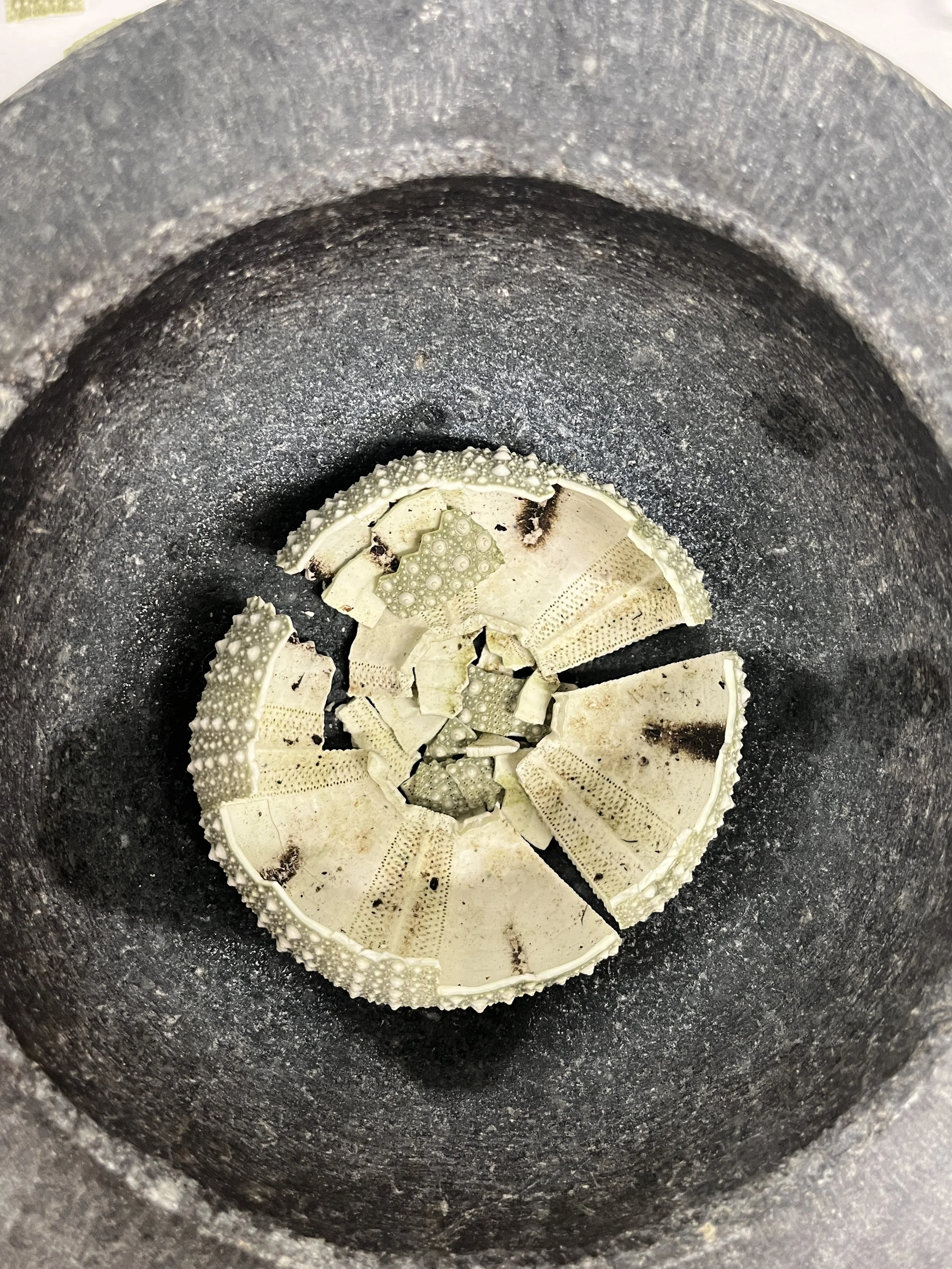
Figure 7. Crushing of Kina shell, seeing it split symmetrically [Photograph]. Note. Photographed by author
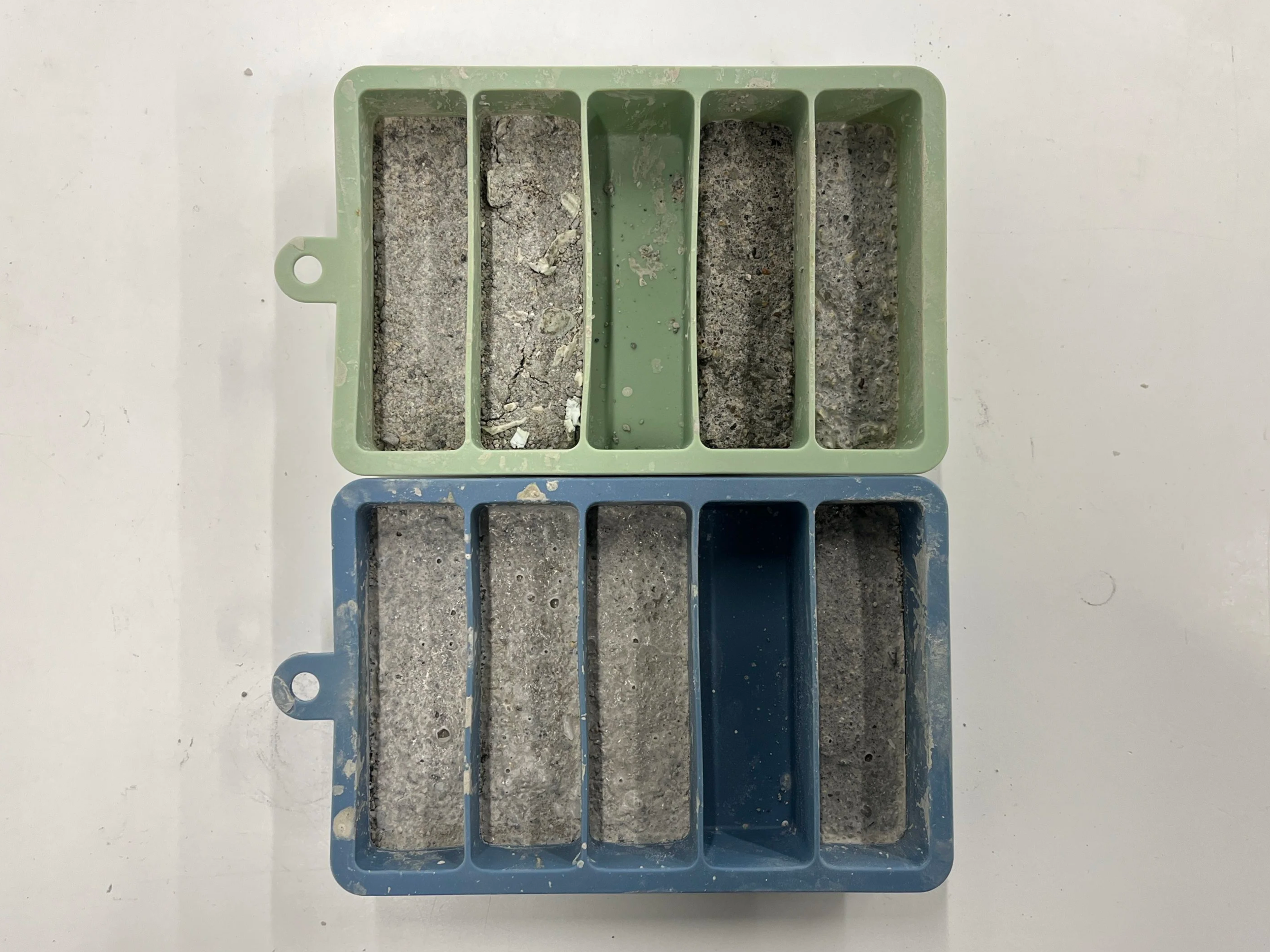
Figure 8. Concrete samples after setting for 24 hours [Photograph]. Note. Photographed by author
Unfortunately, my results were not similar to KiwiKrete’s sample, my crushed kina was much larger and didn’t feel as well integrated into the rest of the mixture. On reflection, I think I was still hesitant to crush the shells until they were ground, as it would mean I would lose the beautiful dotted texture. I am also curious as to why the mixture did not fill the whole mould. Could it be the chunks of kina are too large, or did I put too many and block the mixture from sinking into the corners? Although my test may not have been as successful as I hoped, I am still interested in researching further, as I think concrete has an interesting place in homeware design, seeing as it is not usually considered a delicate material.
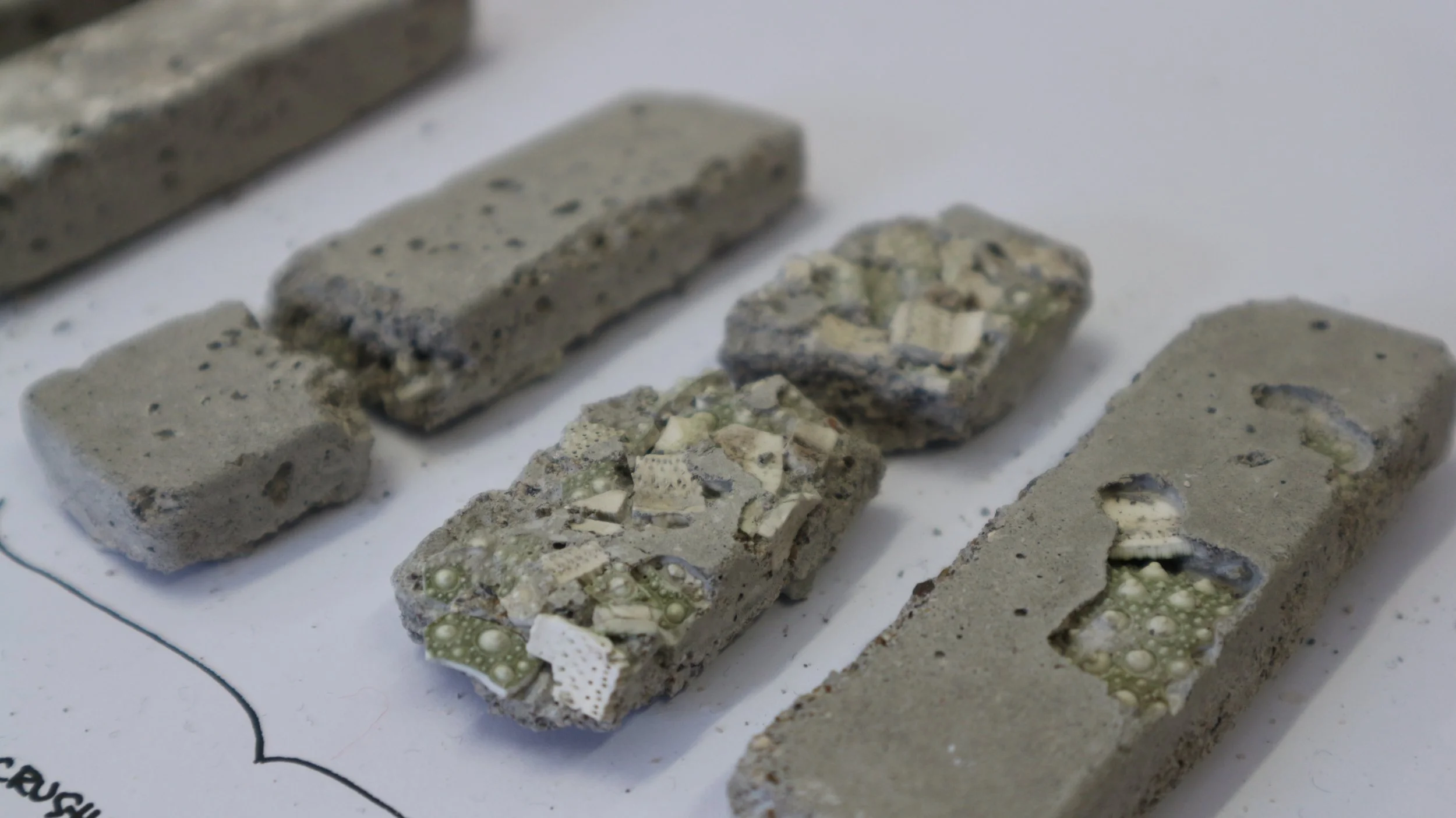
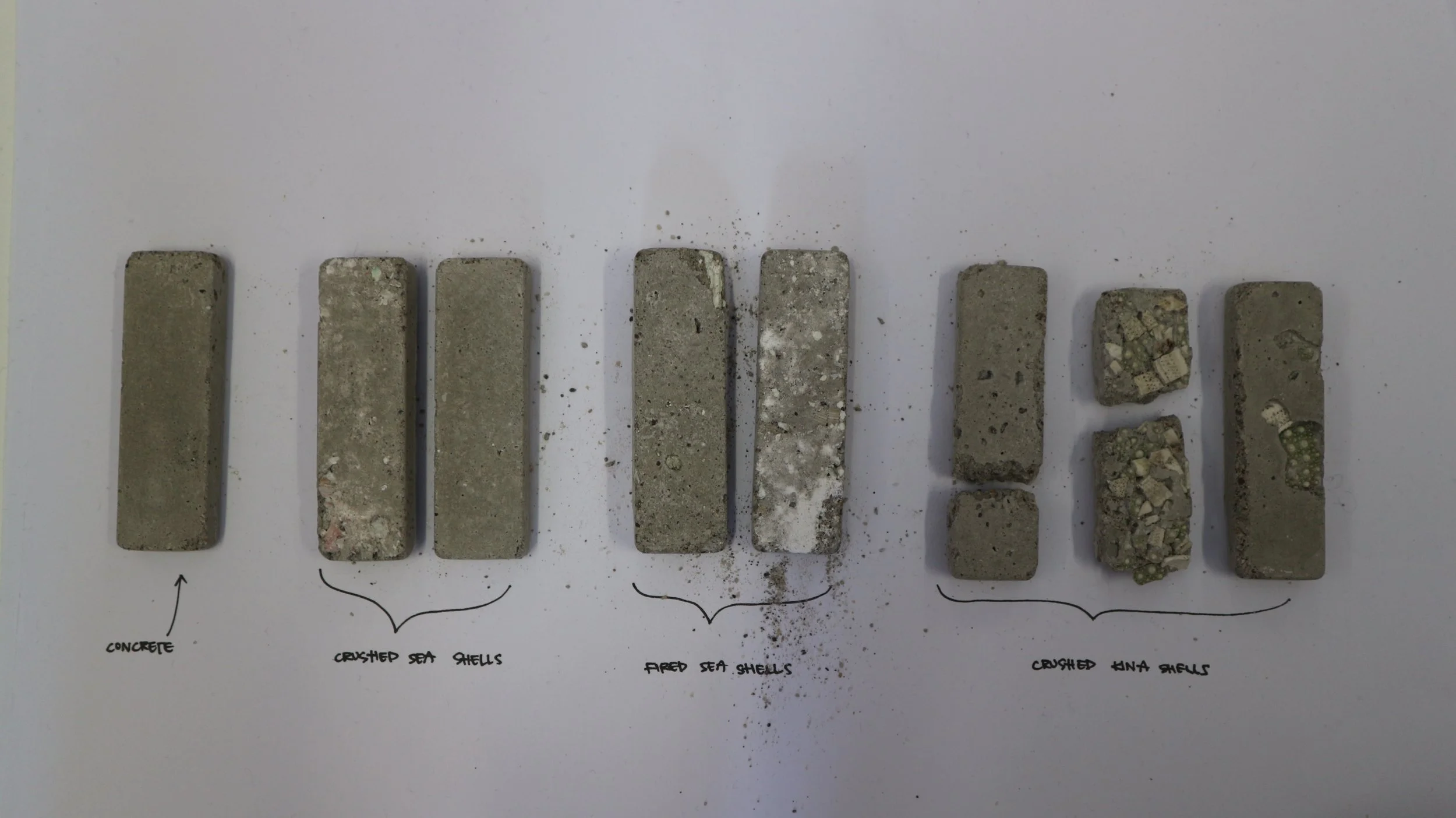
Figure 8,9. Hero photography of concrete and Kina explorations [Photograph]. Note. Photographed by author