[Citta] Project direction. Material storytelling.
There was a bit of a gap in our meetings due to mid-semester break and easter public holidays, which left me feeling uncertain about my direction and my relationship with Citta. So I went into the meeting with points of conversation that I hoped would clear up some of my concerns.
Project direction and reflection on my skills.
Industrial to Fashion design scale. How can I benefit Citta’s research?
Should I specify an environment to design for? Or a specific product?
Understanding why Citta wanted to work with New Zealand materials. If there were any specific ones they were looking at.
Reflection on the meeting discussing my project’s direction.
Firstly, as I was unsure about the project's direction, I wanted to share the reflection I had been doing since this realisation. I felt that I hadn’t taken the time to understand or communicate what I am interested in or the skills I could bring to enhance collaboration between Citta and me. To visualise this, I bought a diagram that placed my past projects on a scale of industrial design to fashion design. This helped highlight that my strengths and interests lie between these two disciplines. What was interesting was that instead of looking at industrial design vs fashion design, Haydn saw this scale more as functional design to conceptual design. This made me see interdisciplinary practices through a new lens, and I realised I enjoy designing with a more functional, grounded approach. I asked how my skill set could best benefit Citta’s design and research, which also led to whether he saw any specific environments or products where my work could fit. Haydn was clear that constraining myself to an environment or product at this stage was too early and would put me in an unnecessary box. Which I agreed with and realised I was happy with the more open-ended brief. In terms of benefiting Citta, he mentioned that the more ‘Citta’ my product and thinking is, the closer I can work with them and receive more relevant feedback.
When asked why Citta wanted to work with New Zealand materials, they didn’t have a specific reason or interest; they were just exploring it. It was more about a local environment being more relevant to us as New Zealanders, as well as holding a better narrative about the process. It's better in terms of building connections, reaching out to others, and overall putting a good constraint to focus my research. Haydn then explained that there are a couple of ways I can move forward with this project:
1. Continue exploring other local New Zealand materials.
Research and identify the available materials. Look for locally made or sourced materials; they can be native, but it doesn’t need to be.
2. Find waste products or materials.
Look for companies and organisations with off-cuts that are being wasted. There will be a good story behind these that I can learn and consider as part of my design.
3. Choose a product or area I want to design for.
If I have a problem or a passion I am very interested in exploring, I could work to improve the design of these. But this is not recommended, as it will restrict me, and the natural process may feel forced. The 'why' might not come through as strongly, either.
4. Local manufacturing methods.
Are there any local manufacturers doing things a certain way that isn’t known, or any methods that deserve more light? How could these be brought to the public's attention by incorporating them into a product or system? A great story about community and traditions could be told through this, too.
5. Problem solving.
I couldn't find a problem to look into, but Citta doesn’t use this method often; they lean more toward product storytelling. In saying this, I would still be problem-solving if I were working with an undervalued material, for example. He also touched on how designing with a more speculative approach could be impactful too, especially in university.
Of the 5 pathways, I found myself most interested in 1 and 2, and am open to option 4 as well. Haydn suggested contacting as many local companies as I could to see what resources would be available to me, as he was sure that people are also wondering how to take their underutilised materials or offcuts further.
Understanding material storytelling.
The second part of our meeting I also found very beneficial. He was telling me about Citta’s design philosophy or thinking behind their process. It was about the combination of the hard component/material property and the soft component/material context and story coming together into a product. Material property is the physical elements like the shape, surface colour, what its composed of and material storytelling is done well when these aspects are informed by the material contexts like the histories, or perception and feel of a product, the story behind the material.
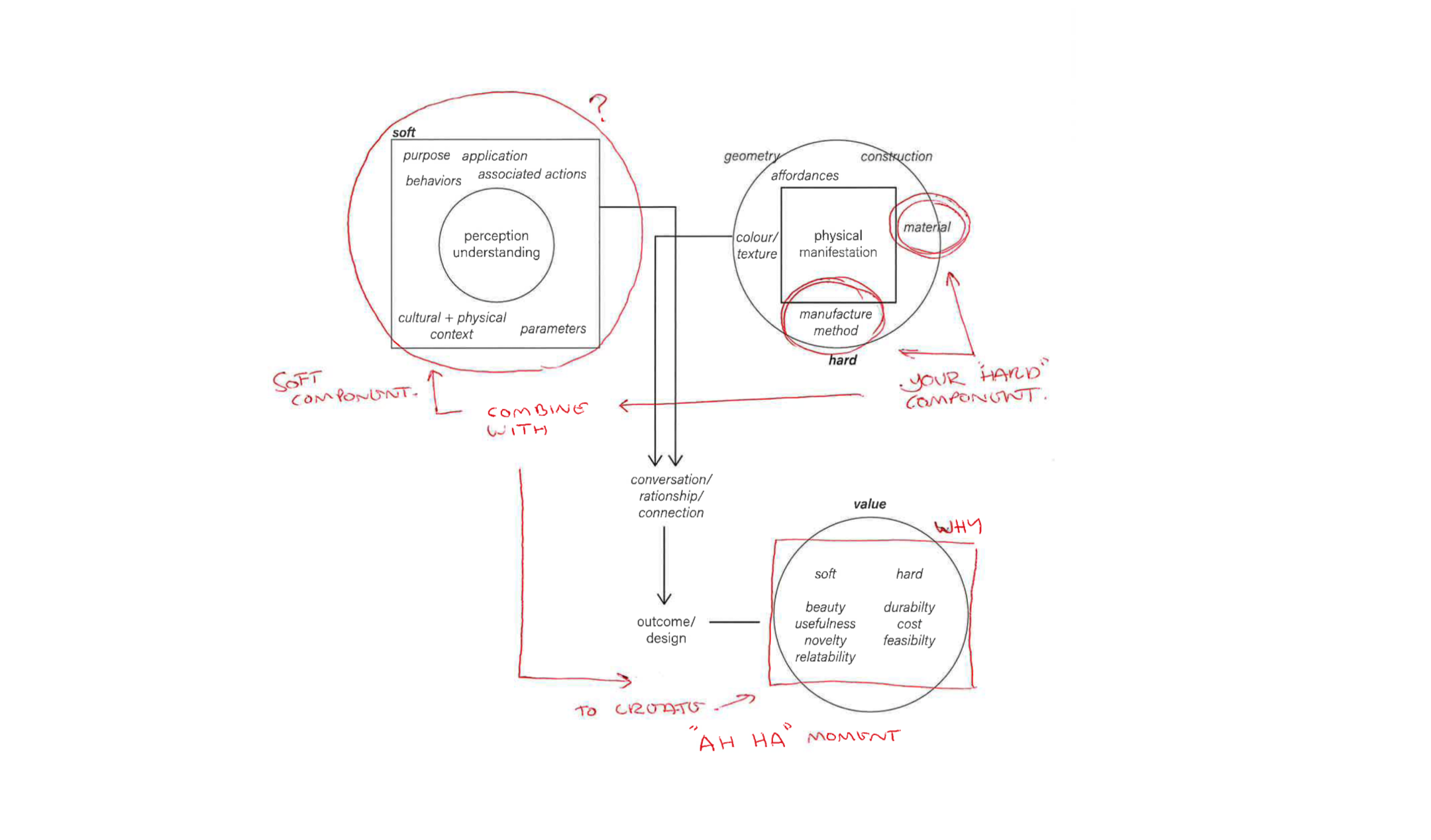
Figure 1. Diagram by Haydn to visualise ‘material storytelling’
An example Citta gave was their ‘pinch’ vase. It’s a bone-coloured ceramic vase made of clay, with curved edges and a structure that allows flowers to be arranged in a certain way. But what makes the products is the story behind them, which connects to all these design decisions. The clay is moulded and ‘pinched’ in a way that mimics a physical pinch with your hands, which tells the story of the human touch and beauty of hand-spun ceramics and clay. This connection should come naturally and feel intuitive. The product and design should speak for themselves, and this is what will connect with and reach users or your target audience.
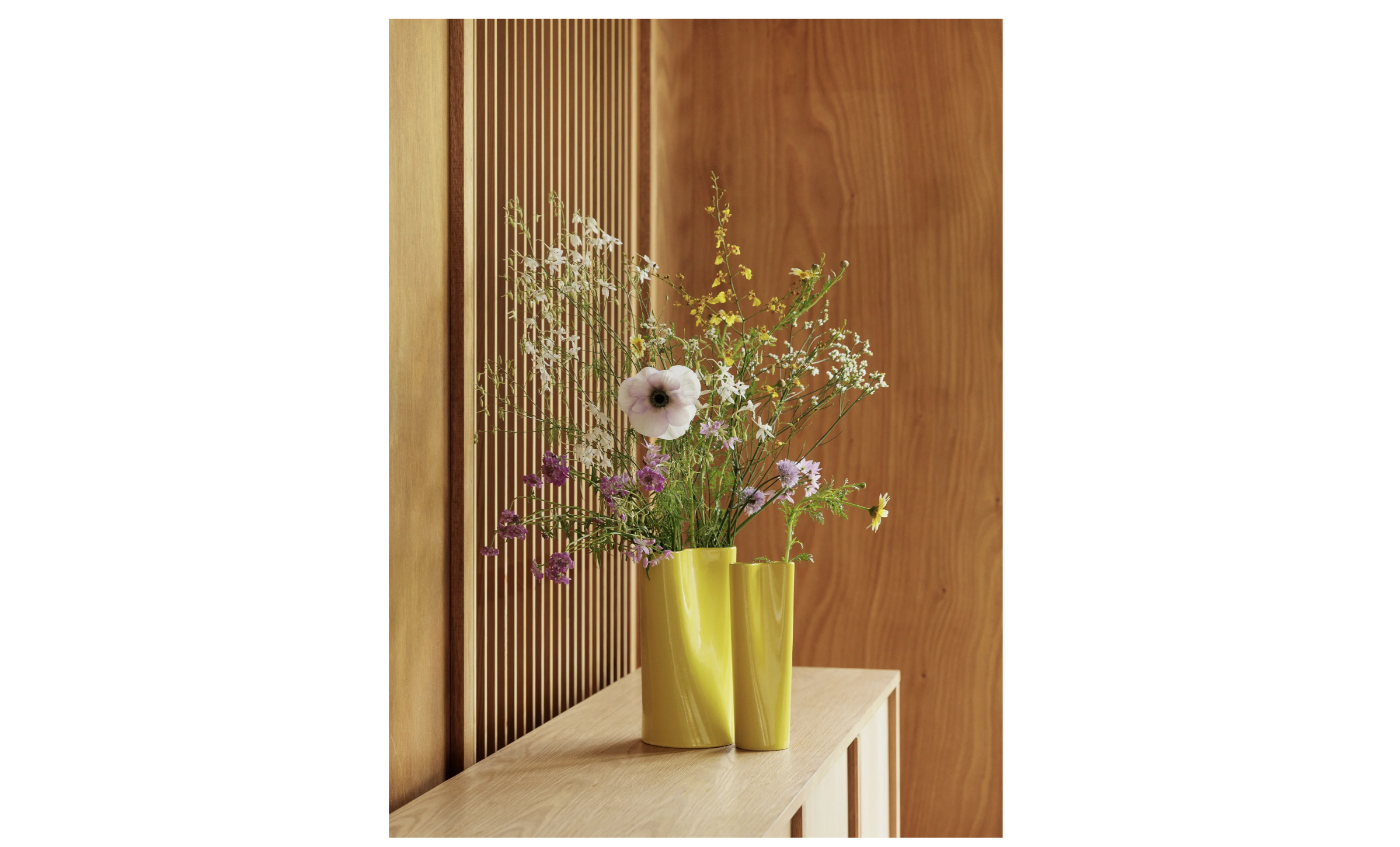
Figure 2. Product photo of the ‘Pinch’ vase, collabotation between Citta and Jamie McLellan.
This was an extremely insightful meeting that has encouraged me not to be afraid to reach out to people. It was also helpful to understand Citta’s way of designing and recognising their design approach in other products or my process too.
Reference list
Figure 1. Nixon, H. (n.d.). Diagram by Haydn to visualise ‘material storytelling’ [Diagram].
Figure 2. Citta. (n.d.). Pinch Vase [Photograph]. Retrieved May 12, 2026, from https://citta.com/products/pinch-vase-2?_pos=9&_sid=ff3d800b8&_ss=r
